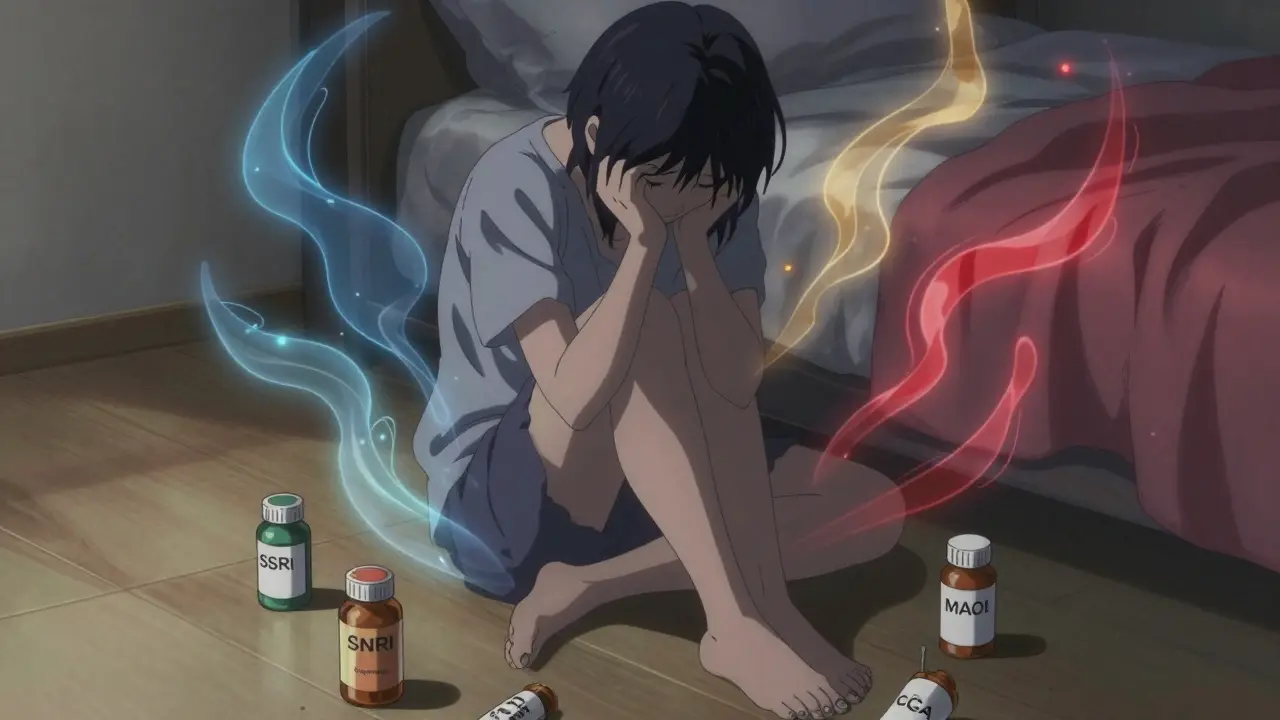
When you’re struggling with depression, the idea of taking medication can feel overwhelming. You’re not alone. About 13.2% of U.S. adults are on antidepressants right now, and for many, it’s the first step back to feeling like themselves. But not all antidepressants are the same. Some work faster. Some cause fewer side effects. Others come with serious risks you need to know about before you start. This isn’t about pushing pills-it’s about understanding what’s actually in them, how they affect your body, and what to expect when you take them.
What Are the Main Types of Antidepressants?
There are five main classes of antidepressants used today. Each works differently in your brain, and each has its own set of pros and cons.
SSRIs (Selective Serotonin Reuptake Inhibitors) are the most common. They include fluoxetine (Prozac), sertraline (Zoloft), escitalopram (Lexapro), and citalopram (Celexa). These drugs increase serotonin levels-chemicals in your brain tied to mood, sleep, and appetite. SSRIs are usually the first choice because they’re safer than older options and cause fewer side effects. About 70% of people who take them report some improvement in symptoms within 6 to 8 weeks.
SNRIs (Serotonin-Norepinephrine Reuptake Inhibitors) like venlafaxine (Effexor) and duloxetine (Cymbalta) boost both serotonin and norepinephrine. These are often used when SSRIs don’t work well enough, especially if you’re also dealing with chronic pain. They can help with energy and focus, but they may raise blood pressure in some people.
Bupropion (Wellbutrin) is different. It mainly affects dopamine and norepinephrine, not serotonin. That’s why it’s often chosen for people who struggle with low energy or sexual side effects from other antidepressants. It’s also used to help quit smoking. But it can increase anxiety or trigger seizures in people with a history of them.
Tricyclic Antidepressants (TCAs) like amitriptyline and nortriptyline were the first antidepressants developed in the 1950s. They work well, but they’re rarely used today because of their side effects: dry mouth, blurred vision, constipation, dizziness, and heart rhythm issues. Doctors only turn to them if other options have failed.
MAOIs (Monoamine Oxidase Inhibitors) like phenelzine and tranylcypromine are the oldest and most dangerous. They require strict diet rules-you can’t eat aged cheeses, cured meats, or drink red wine. Mixing them with certain medications or even over-the-counter cold remedies can cause a life-threatening spike in blood pressure. They’re only used when nothing else works, and even then, under close supervision.
How Long Do Antidepressants Take to Work?
Many people stop taking antidepressants too soon because they don’t feel better right away. That’s normal. These aren’t painkillers. They don’t fix your mood overnight.
Most people start noticing small changes after 2 to 4 weeks. But real improvement-sleeping better, feeling less overwhelmed, having energy to get out of bed-usually takes 6 to 12 weeks. A 2018 study in The Lancet found that about half of patients saw a 50% or greater drop in symptoms after 8 weeks on SSRIs or SNRIs. If you haven’t seen any shift by week 8, talk to your doctor. It might mean you need a different medication, a higher dose, or to add therapy.
Don’t give up after a month. The brain needs time to adjust. The same study showed that people who stuck with treatment for 12 weeks were twice as likely to feel significantly better than those who quit early.
What Are the Most Common Side Effects?
Side effects are the main reason people quit antidepressants. But not everyone gets them-and many fade after a few weeks.
For SSRIs and SNRIs, the most frequent complaints are:
- Nausea (15-20% of users, usually goes away in a week or two)
- Weight gain (up to 50% of long-term users)
- Sleepiness or insomnia
- Sexual problems-low desire, trouble reaching orgasm (up to 56% of people on serotonin-based drugs)
- Dry mouth, dizziness, sweating
Some side effects are worse with certain drugs. For example, paroxetine (Paxil) is more likely to cause weight gain and drowsiness than sertraline (Zoloft). Bupropion (Wellbutrin) is less likely to cause sexual side effects but can cause jitteriness or headaches.
Long-term use brings more risks. A 2016 study found that among people who took antidepressants for over a year:
- 73.5% had withdrawal symptoms when stopping
- 71.8% had lasting sexual problems
- 65.3% gained weight
- 64.5% felt emotionally numb
These aren’t rare. They’re common. That’s why it’s so important to weigh the benefits against the costs. For some, the relief from depression is worth it. For others, the emotional flatness or sexual side effects make it too hard to keep going.

Are Antidepressants Safe During Pregnancy?
This is one of the hardest decisions for women. Untreated depression during pregnancy can lead to premature birth, low birth weight, and postpartum depression. But antidepressants can cross the placenta.
Studies show that taking SSRIs or SNRIs in the third trimester can cause temporary issues in newborns: jitteriness, trouble feeding, low blood sugar, and breathing problems. These usually go away within days or weeks.
The American College of Obstetricians and Gynecologists updated its guidelines in January 2023 to say that for many women, the risks of stopping medication are greater than the risks of continuing it. If you’re pregnant or planning to be, don’t stop cold turkey. Talk to your OB and psychiatrist. They can help you pick the safest option-often sertraline or citalopram-and monitor you closely.
Can Antidepressants Make You Suicidal?
Yes. And it’s real.
The FDA requires a black box warning-the strongest warning possible-on all antidepressants for people under 25. Studies show that up to 18% of young adults starting antidepressants experience new or worsening suicidal thoughts in the first few weeks. It’s not because the drug makes you want to die. It’s because as your energy comes back before your mood improves, you suddenly have the strength to act on dark thoughts you’ve been too tired to act on before.
This is why the first 4 to 6 weeks are critical. If you or someone you know starts a new antidepressant, check in daily. Watch for sudden changes: increased agitation, talking about death, withdrawing from friends, giving away possessions. Call your doctor immediately if you see these signs. Never assume it’s “just the beginning.”
What Happens When You Stop Taking Them?
Stopping antidepressants suddenly can trigger a withdrawal syndrome-sometimes called “discontinuation syndrome.” It’s not addiction. But it feels awful.
Symptoms include:
- Dizziness or vertigo
- Electric shock sensations in the head (“brain zaps”)
- Nausea, vomiting, diarrhea
- Anxiety, irritability, crying spells
- Flu-like symptoms
Up to 70% of people experience this if they quit cold turkey. Some drugs are worse than others. Paroxetine (Paxil) has a short half-life, so withdrawal hits fast and hard. Fluoxetine (Prozac) lasts longer in your system, so stopping is easier.
The fix? Taper slowly. Your doctor should help you reduce your dose over weeks or months. Never stop on your own-even if you feel fine. Relapse is common, and withdrawal can make you think you need to go back on the drug when you don’t.
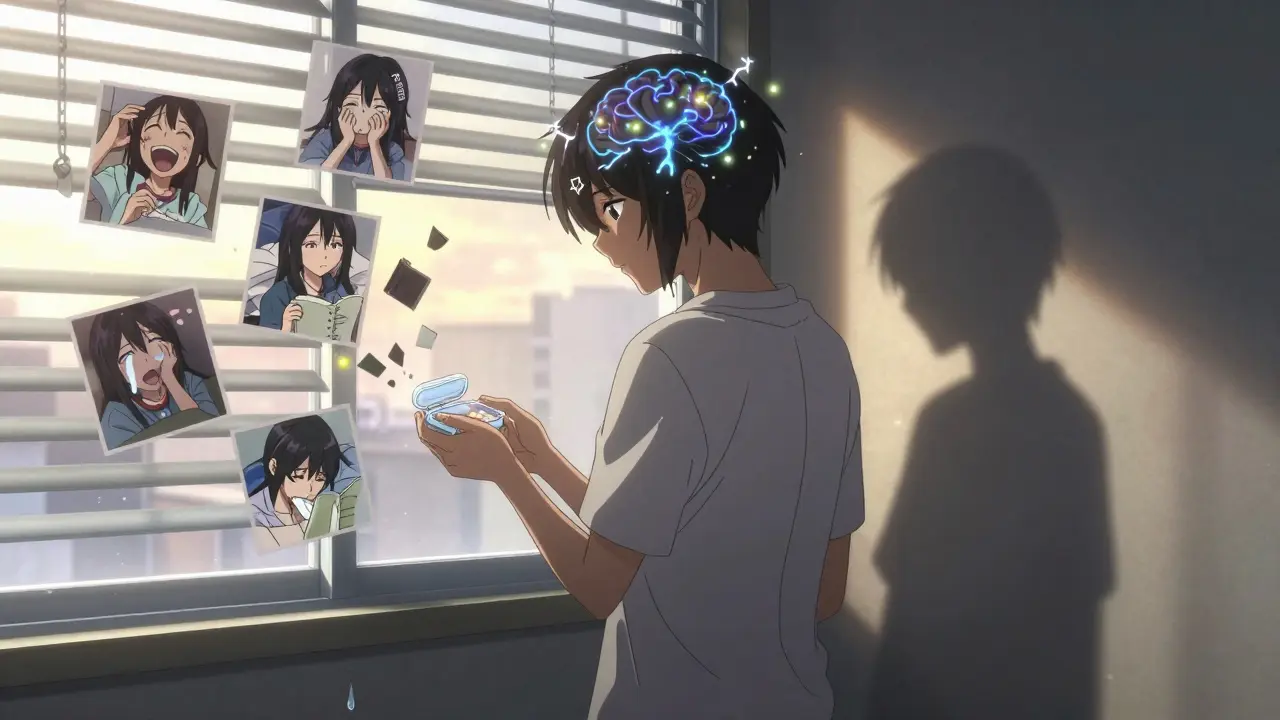
What’s the Best Way to Use Antidepressants?
Antidepressants aren’t magic. They’re tools. And like any tool, they work best in the right hands.
Research shows that combining medication with therapy-especially cognitive behavioral therapy (CBT)-is the most effective approach. One study found that patients who got both were 40% less likely to relapse than those who took pills alone.
Here’s what actually works:
- Start with an SSRI like sertraline or escitalopram. They’re the safest first step.
- Give it 6 to 8 weeks before deciding if it’s working.
- Track your mood, sleep, and side effects in a journal.
- If side effects are unbearable, don’t quit. Ask your doctor about switching or adding a second medication (like bupropion to help with sexual side effects).
- Never stop without medical supervision.
- Plan for at least 6 to 9 months of treatment after you feel better to prevent relapse.
And remember: if you’ve tried two or three different antidepressants and nothing helped, you’re not broken. You might have treatment-resistant depression. That’s when options like ketamine (esketamine nasal spray) or transcranial magnetic stimulation (TMS) become options. Talk to a specialist.
What Should You Ask Your Doctor?
Don’t just accept the first prescription. Ask:
- Why are you recommending this specific drug over others?
- What side effects are most likely for me?
- How will we know if it’s working?
- What should I do if I feel worse before I feel better?
- What happens if I want to stop later?
- Are there cheaper generic versions?
Generic SSRIs like sertraline cost as little as $4 a month with insurance. Brand-name versions can cost over $500. Don’t let price stop you from getting help.
Final Thoughts
Antidepressants aren’t the answer for everyone. But for many, they’re the bridge out of darkness. The key isn’t whether they’re “good” or “bad.” It’s whether they’re right for you-at this moment, with your body, your life, and your goals.
They’re not a quick fix. They’re not a cure. But they can give you back the energy to heal. To talk. To sleep. To care again. And sometimes, that’s enough to start rebuilding your life.
How long do antidepressants take to start working?
Most people notice small improvements after 2 to 4 weeks, but full benefits usually take 6 to 12 weeks. It’s important to stick with the medication for at least 8 weeks before deciding if it’s working. Stopping too early is the most common reason people think antidepressants don’t help.
Can antidepressants cause weight gain?
Yes, up to 50% of people on long-term antidepressants gain weight. SSRIs like paroxetine and mirtazapine are more likely to cause weight gain than sertraline or bupropion. Weight gain is often due to increased appetite and slower metabolism. If this becomes a problem, talk to your doctor about switching or adding bupropion, which can help offset it.
Do antidepressants make you emotionally numb?
Many people report feeling emotionally flat or detached after months of use. This is called emotional blunting and affects up to 65% of long-term users. It’s not the same as feeling better-it’s losing the ability to feel joy, sadness, or even anger. If this happens, your doctor may adjust your dose or switch you to a different medication like bupropion, which is less likely to cause this effect.
Are antidepressants addictive?
No, antidepressants are not addictive in the way drugs like opioids or benzodiazepines are. You won’t crave them or need more to get the same effect. But stopping suddenly can cause withdrawal symptoms-dizziness, brain zaps, nausea-because your brain has adapted to their presence. Always taper off slowly under medical supervision.
Can I drink alcohol while taking antidepressants?
It’s not recommended. Alcohol can worsen depression and anxiety, interfere with sleep, and increase drowsiness or dizziness. It can also raise the risk of liver damage when combined with certain antidepressants. Even moderate drinking can reduce the effectiveness of treatment. If you choose to drink, do so very sparingly and talk to your doctor first.
What if antidepressants don’t work for me?
It’s more common than you think. About 30-40% of people don’t respond to their first antidepressant. That doesn’t mean you’re hopeless. It means you need a different approach. Your doctor may switch you to another class of medication, combine two drugs, add therapy, or consider newer options like esketamine (Spravato) or TMS. Finding the right treatment often takes time and patience.


Lance Nickie
January 13, 2026 AT 16:54Rosalee Vanness
January 13, 2026 AT 21:21lucy cooke
January 14, 2026 AT 03:53Gregory Parschauer
January 14, 2026 AT 11:40James Castner
January 15, 2026 AT 17:21Adam Rivera
January 16, 2026 AT 03:04Lethabo Phalafala
January 18, 2026 AT 02:44Milla Masliy
January 19, 2026 AT 05:09mike swinchoski
January 19, 2026 AT 05:39Trevor Davis
January 19, 2026 AT 15:56John Tran
January 21, 2026 AT 09:43Damario Brown
January 22, 2026 AT 17:27Trevor Whipple
January 24, 2026 AT 05:50