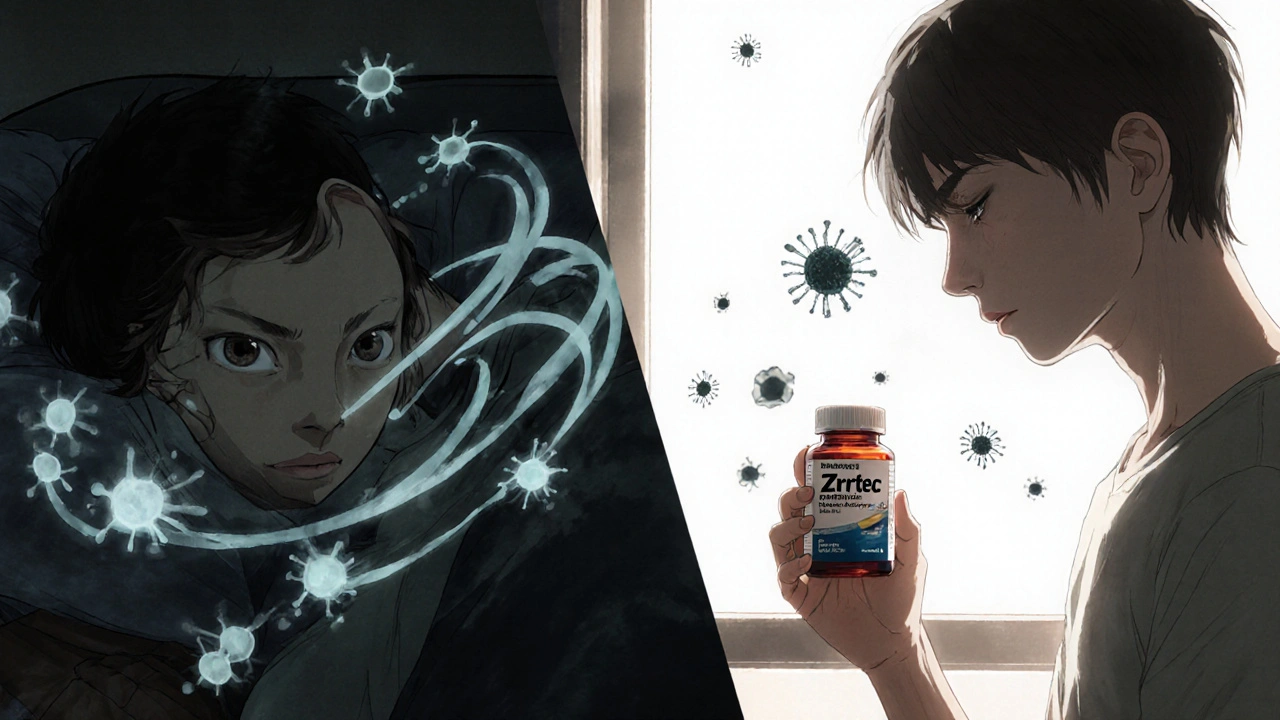
When your nose won’t stop running, your eyes are itchy, and you feel like you’re stuck in a constant storm of sneezes, antihistamines are often the first thing you reach for. But not all antihistamines are the same. There are two main types - first-generation and second-generation - and choosing the wrong one can mean the difference between feeling better and feeling wiped out. If you’ve ever taken Benadryl for allergies and ended up asleep on the couch by 3 p.m., you’ve already experienced the biggest difference between them.
What Makes First-Generation Antihistamines Different
First-generation antihistamines like diphenhydramine (Benadryl), chlorpheniramine (Chlor-Trimeton), and promethazine (Phenergan) were developed in the 1940s. They work by blocking histamine, the chemical your body releases during an allergic reaction. That stops the sneezing, itching, and runny nose. But here’s the catch: they don’t just block histamine in your nose and skin - they also cross into your brain.
Because these drugs are small and fatty, they slip easily through the blood-brain barrier. That’s why they cause drowsiness in 50-60% of users. It’s not a side effect - it’s a feature. That’s why Benadryl is often used as a sleep aid. But if you’re trying to drive, work, or take care of kids, that kind of brain fog isn’t just annoying - it’s dangerous. Studies show people taking first-generation antihistamines have 25% slower reaction times behind the wheel.
They also cause dry mouth, blurred vision, constipation, and trouble peeing - especially in older adults. These are anticholinergic effects, meaning they block another key neurotransmitter called acetylcholine. In elderly patients, this can mimic early dementia or worsen memory problems. Harvard Medical School’s Dr. Pieter Cohen compared chronic use to taking low-dose benzodiazepines - not something you want to do daily for years.
On the plus side, they kick in fast. If you get stung by a bee or break out in hives after eating peanuts, diphenhydramine can calm things down in 30 minutes. That’s why they’re still in many first-aid kits. They’re also dirt cheap - a bottle of 100 generic tablets costs about $4-$6. For occasional use, that’s hard to beat.
Why Second-Generation Antihistamines Took Over
Second-generation antihistamines - loratadine (Claritin), cetirizine (Zyrtec), and fexofenadine (Allegra) - were created in the 1980s to fix the problems of the old ones. Scientists redesigned the molecules to be larger and more polar, so they couldn’t easily cross into the brain. The result? Just as much allergy relief, but without the brain fog.
Today, over 70% of antihistamine prescriptions in the U.S. are for second-generation drugs, according to the American Academy of Allergy, Asthma & Immunology. That’s because they’re built for daily use. You take one pill a day, and it lasts 12 to 24 hours. Compliance is way higher - 85% of people stick with once-daily dosing compared to just 60% for pills you need to take every 4-6 hours.
They’re not perfect. They take longer to start working - 1 to 3 hours versus 30 minutes. So if you’re caught off guard by pollen, you might still feel awful for a while. That’s why allergists recommend taking them before exposure, not after. If you know you’re going to the park on a high-pollen day, take your pill the night before or first thing in the morning.
They also cost more. Generic loratadine runs $10-$15 for 30 tablets. Brand-name versions like Zyrtec or Claritin can hit $25 or more. But if you’re using them every day, the trade-off is worth it. No drowsiness means no missed work, no clumsy moments, no awkward conversations with coworkers who think you’re tired because you’re lazy.
Which One Works Better?
Here’s the truth: both classes work well for most allergy symptoms - sneezing, itching, runny nose, watery eyes. But when you dig into the data, second-generation antihistamines edge out the first-gen ones.
A 2022 meta-analysis in the Journal of Allergy and Clinical Immunology found that second-generation drugs reduced nasal symptoms by 60-70%, while first-gen only hit 50-60%. That might not sound like much, but if you’re the one dealing with it, that extra 10-20% relief makes your whole day different.
And not all second-gen drugs are the same. Cetirizine (Zyrtec) is the strongest for eye symptoms and skin itching. Fexofenadine (Allegra) is gentler on the stomach and less likely to cause drowsiness, even at higher doses. Loratadine (Claritin) is the mildest - great for kids or people who are extra sensitive.
One big gap? Nasal congestion. Neither class is great at clearing a stuffy nose. That’s why so many second-gen antihistamines now come combined with pseudoephedrine - the decongestant that actually opens up your sinuses. In 2024, new extended-release combos hit the market, finally addressing this long-standing weakness.

When to Use Each Type
It’s not about which is “better.” It’s about which fits your life.
Use first-generation if:
- You need fast relief during a sudden allergy attack
- You’re using it occasionally for motion sickness or nausea
- You have trouble sleeping because of allergies and want something that helps you nod off
- You’re on a tight budget and only need it once in a while
Use second-generation if:
- You have seasonal or year-round allergies
- You need to stay alert for work, school, or driving
- You’re taking it daily or multiple times a week
- You’re over 65 - the risks of anticholinergic side effects climb sharply with age
Many people use both. They take Zyrtec during the day and diphenhydramine at night. That’s not wrong - it’s smart. Dr. David Stukus from Nationwide Children’s Hospital says second-gen should be first-line for chronic allergies. But Dr. Robert Wood from Johns Hopkins reminds us that first-gen still has a place - especially for acute urticaria (hives) or as a sleep aid.
What Users Are Saying
Real people give real feedback. On Reddit’s r/Allergies, 68% of users say they switched from Benadryl to Zyrtec or Claritin because they couldn’t function during the day. One user wrote: “Zyrtec lets me work without the brain fog Benadryl gives me.”
But flip to Drugs.com, and you’ll find 52% of users who take diphenhydramine at night say it gives them better sleep than melatonin. They’re not lying - it works. It just doesn’t work for daytime.
Amazon reviews tell the same story. Second-gen antihistamines average 4.2 stars. The top praise? “Non-drowsy.” The top complaint? “Too expensive.” First-gen scores 3.8 stars. The top praise? “Saved me during a sudden flare-up.” The top complaint? “Makes me too sleepy for work.”
WebMD ratings confirm it: Zyrtec scores 7.8/10. Benadryl scores 6.2/10. The gap isn’t about effectiveness - it’s about quality of life.
What You Need to Know Before You Buy
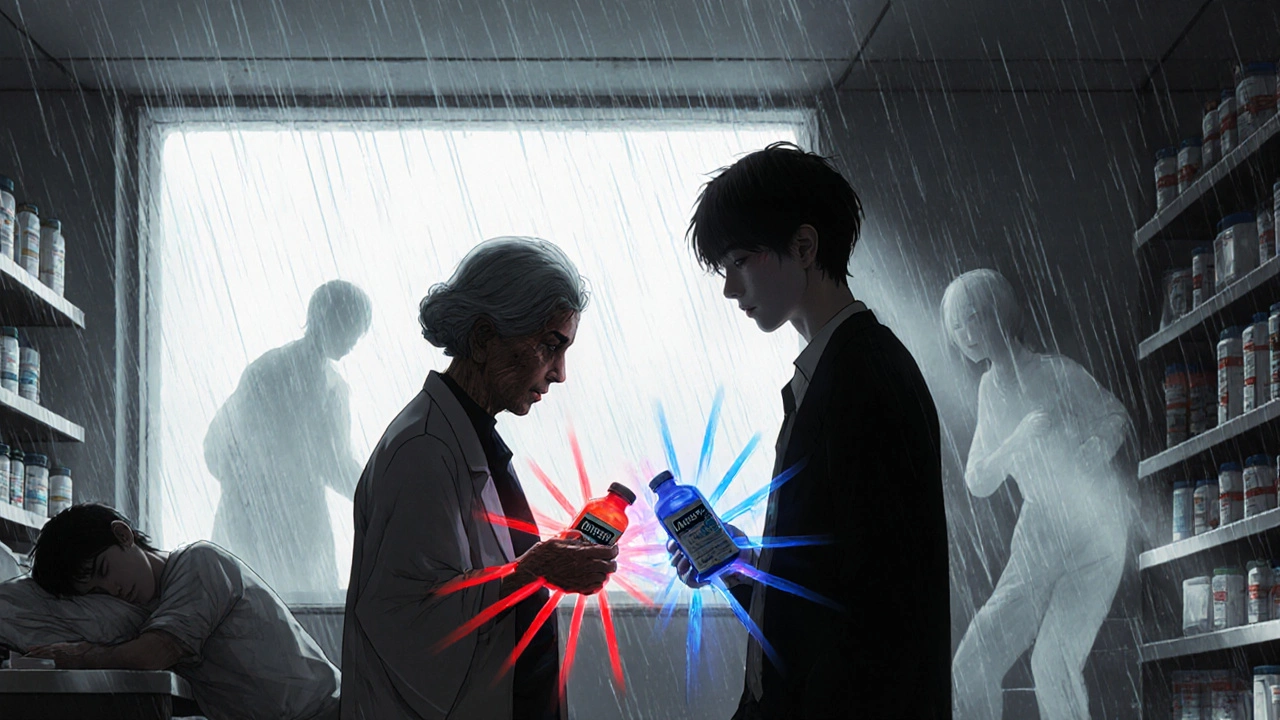
“Non-drowsy” doesn’t mean “no drowsiness.” Even second-gen antihistamines can cause sleepiness in 10-15% of users - and up to 20% if you take more than the recommended dose. Don’t double up because you think “more is better.” That’s how people end up in the ER.
Also, don’t assume all generics are the same. Fexofenadine is the only second-gen antihistamine that doesn’t interact with grapefruit juice. Cetirizine can make you drowsy if you drink alcohol. Loratadine is safe with most meds, but if you’re on liver-affecting drugs, talk to your pharmacist.
And if you’re over 65? Avoid first-gen unless your doctor specifically says it’s okay. The American College of Allergy, Asthma & Immunology recommends avoiding them entirely in older adults because of the risk of falls, confusion, and urinary retention.
What’s Next for Antihistamines
The field isn’t standing still. Drugs like desloratadine and levocetirizine - refined versions of older second-gen drugs - are gaining ground. Desloratadine prescriptions rose 12% last year. They’re more targeted, with fewer side effects.
And in 2023, the FDA approved bilastine in Europe. It’s not available in the U.S. yet, but early trials show it’s 20% better at reducing nasal congestion than existing options. That could change the game.
For now, the choice is simple: if you need daily relief without the grogginess, go second-gen. If you need fast, short-term help - or a little extra help falling asleep - first-gen still has its role. But for most people, especially those with ongoing allergies, the better option is clear.
You don’t have to choose between relief and being yourself. There’s a pill for that - and it’s probably not Benadryl.
Are first-generation antihistamines safe for long-term use?
Long-term use of first-generation antihistamines like diphenhydramine is not recommended, especially for people over 65. These drugs block acetylcholine, which can lead to dry mouth, constipation, urinary retention, confusion, and an increased risk of falls. Studies show chronic use is linked to cognitive decline similar to low-dose benzodiazepines. For daily allergy management, second-generation antihistamines are far safer.
Can I take second-generation antihistamines every day?
Yes, second-generation antihistamines like loratadine, cetirizine, and fexofenadine are designed for daily use. They’re non-sedating at standard doses and have excellent long-term safety profiles. Many people take them year-round for seasonal allergies, chronic urticaria, or environmental triggers. Always follow the label dosage - doubling up won’t make them work faster and could cause side effects.
Why does Zyrtec make me sleepy but Claritin doesn’t?
Even though both are second-generation antihistamines, they’re chemically different. Cetirizine (Zyrtec) has a higher chance of crossing into the brain slightly, which can cause drowsiness in about 10-15% of users - especially at higher doses or if you’re sensitive. Loratadine (Claritin) is more selective and rarely causes sleepiness. If Zyrtec makes you tired, try switching to Claritin or fexofenadine (Allegra), which are even less likely to cause drowsiness.
Is it okay to use Benadryl as a sleep aid?
Occasionally, yes - but not regularly. Diphenhydramine can help you fall asleep if allergies are keeping you awake. But it disrupts sleep quality over time, reduces deep sleep stages, and can cause next-day grogginess. It’s also not meant for long-term insomnia. If you’re relying on it for sleep more than a few nights a week, talk to your doctor about better options like melatonin or behavioral sleep therapy.
Do antihistamines help with nasal congestion?
Not really. Antihistamines are great for sneezing, itching, and runny nose, but they don’t do much for a stuffy nose. That’s caused by swollen blood vessels, not histamine. For congestion, you need a decongestant like pseudoephedrine. That’s why many products now combine antihistamines with decongestants - especially newer extended-release versions launched in 2024.
Which antihistamine is best for children?
For kids with allergies, second-generation antihistamines are preferred. Loratadine (Claritin) and cetirizine (Zyrtec) are both FDA-approved for children as young as 2 years old. They’re non-sedating and safe for daily use. First-generation drugs like Benadryl are not recommended for routine use in children due to risks of hyperactivity, drowsiness, and potential long-term effects on brain development. Always check dosing by weight and consult your pediatrician.
If you’re unsure which antihistamine is right for you, talk to your pharmacist. They can help you pick based on your symptoms, age, other meds, and lifestyle. You don’t have to suffer through sneezing fits or zombie-mode after lunch. There’s a better way - and it’s not just about the drug. It’s about matching the right tool to your life.



Clay Johnson
November 29, 2025 AT 18:26First-gen antihistamines aren't dangerous they're just inefficient tools for modern life. The brain penetration isn't a bug it's a design feature from an era when sedation was considered acceptable trade for symptom relief. We've evolved beyond that. The real question isn't which drug works better but which version of ourselves we're willing to tolerate.
Jermaine Jordan
December 1, 2025 AT 06:29Let me tell you something transformative: the day I switched from Benadryl to Zyrtec was the day I reclaimed my life. No more 3 p.m. crashes. No more awkward stares at work. No more wondering why my kids thought I was 'zoning out.' This isn't just about allergies-it's about dignity. Second-gen isn't a luxury it's a necessity for anyone who refuses to live in a fog.
Chetan Chauhan
December 1, 2025 AT 19:30u think second gen is better? lol u just dont know how benadryl saves lives in anaphylaxis. its fast. its cheap. its everywhere. u wanna live in your little non-drowsy bubble? fine. but dont tell me its the only right way. also i think the study they cited was funded by big pharma. just sayin.
Phil Thornton
December 2, 2025 AT 09:23Benadryl for sleep? I used to take it every night. Woke up feeling like I’d been hit by a truck. Then I tried melatonin. Same sleep. No zombie mode. Game changer.
Pranab Daulagupu
December 2, 2025 AT 23:26From a clinical perspective, the pharmacokinetic profile of second-gen agents aligns with chronic disease management paradigms. Reduced CNS penetration minimizes anticholinergic burden, especially in geriatric populations. This isn't preference-it's risk mitigation. For daily users, the data is unequivocal.
Barbara McClelland
December 4, 2025 AT 12:15I love how this post breaks it down so clearly. My mom’s 72 and she was on Benadryl for years-she didn’t even realize how shaky she was until she switched to Claritin. Now she’s gardening again. Small change. Huge impact. If you’re over 65 and still using first-gen daily, please talk to your pharmacist. You deserve to feel like yourself.
Alexander Levin
December 5, 2025 AT 03:19They’re hiding the truth. All antihistamines are just part of the pharmaceutical control system. Why do you think they pushed second-gen so hard? It’s more profitable. And don’t get me started on the grapefruit juice thing-big pharma knows you’ll never read the label. 🤡
Ady Young
December 6, 2025 AT 03:48My wife takes Zyrtec daily. I take Benadryl when I get hit with a sudden pollen storm. We both use what works for our bodies. No shame in having different needs. The real enemy is the idea that there’s only one ‘right’ way to manage allergies.
Sean Slevin
December 6, 2025 AT 23:06Look... I get it. Second-gen is the 'responsible' choice. But let's not pretend that the brain fog from diphenhydramine is just a side-effect-it's a cultural artifact. We live in a world that pathologizes rest. That we've turned a natural, sedating effect into a 'problem' to be fixed... that's the real tragedy. Maybe we're not meant to be awake all the time. Maybe we're meant to slow down. And maybe... just maybe... Benadryl is the only thing left that lets us do that without guilt.