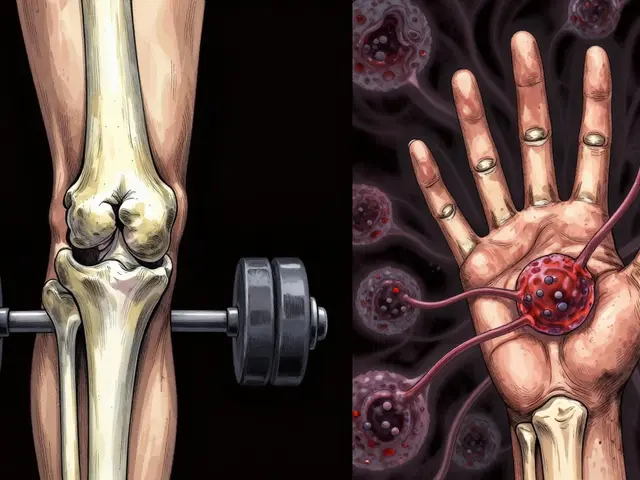
When your knee, shoulder, or hip suddenly locks up with sharp, burning pain, and simple movements like climbing stairs or reaching for a coffee mug feel impossible, you might hear your doctor suggest a corticosteroid injection. It’s one of the most common treatments for joint inflammation, and for good reason: for many people, it works fast. But it’s not a cure. And it’s not without risks. If you’ve been told you need one-or are considering it-you need to understand what’s really happening inside your joint, how long the relief lasts, and what might happen if you get too many.
How Corticosteroid Injections Actually Work
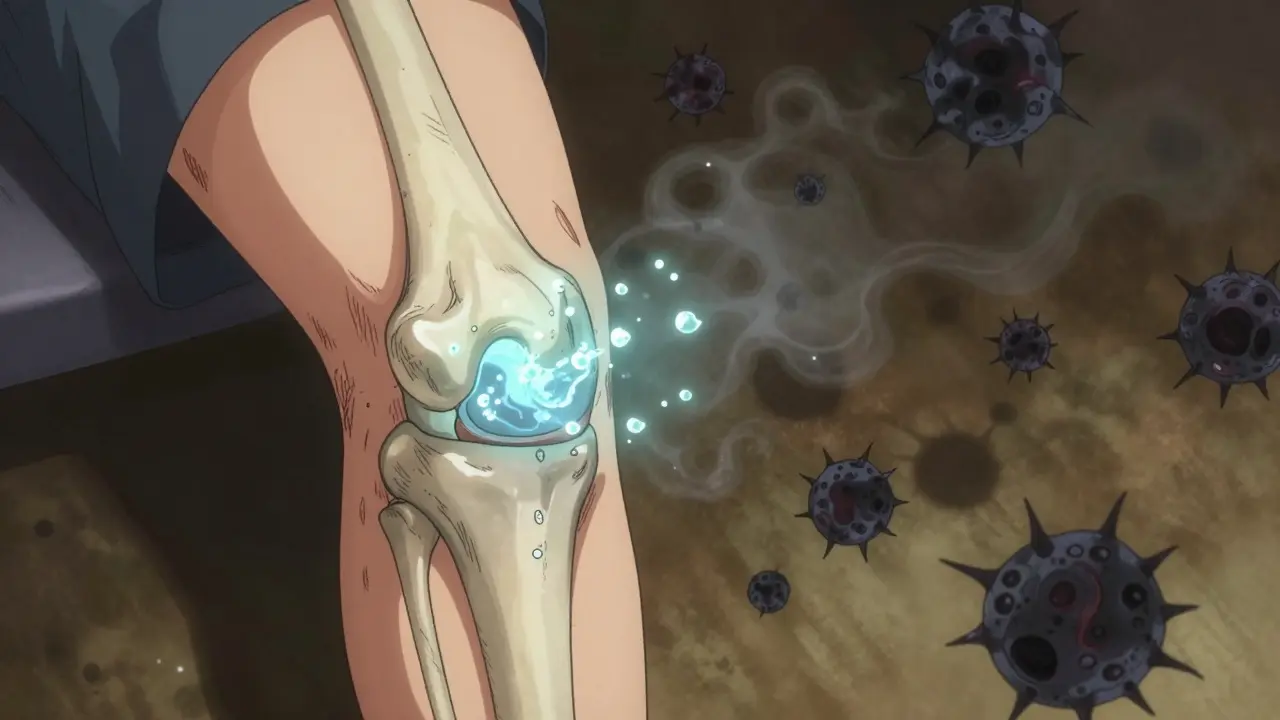
Corticosteroid injections, often called cortisone shots, aren’t painkillers. They don’t numb your nerves like lidocaine does. Instead, they attack inflammation at the source. When a joint is inflamed, your body floods the area with immune cells and chemicals like interleukin-6 and tumor necrosis factor-alpha. These trigger swelling, heat, and pain. Corticosteroids slip into your cells and shut down the genes that make these inflammatory signals. They also reduce the number of white blood cells in the joint and make the synovial fluid thicker, which helps cushion the joint temporarily.
The most common corticosteroids used are triamcinolone acetonide, methylprednisolone acetate, and betamethasone. These are mixed with a local anesthetic like lidocaine, which gives you immediate but short-lived numbness. The real magic-reducing inflammation-takes 24 to 72 hours to kick in. That’s why some people feel worse before they feel better. A temporary flare, where the joint gets more painful for a day or two, happens in 2-8% of cases. It’s not an infection. It’s just your body reacting to the crystals in the medication. Ice and over-the-counter NSAIDs usually calm it down.
Who Benefits Most? Real-World Results
Not everyone gets the same results. The best candidates are people with clear signs of inflammation, not just wear-and-tear damage. If you have:
- A sudden flare of rheumatoid arthritis
- Severe bursitis in the hip or shoulder
- Tennis elbow or Achilles tendinitis
- An acute gout attack
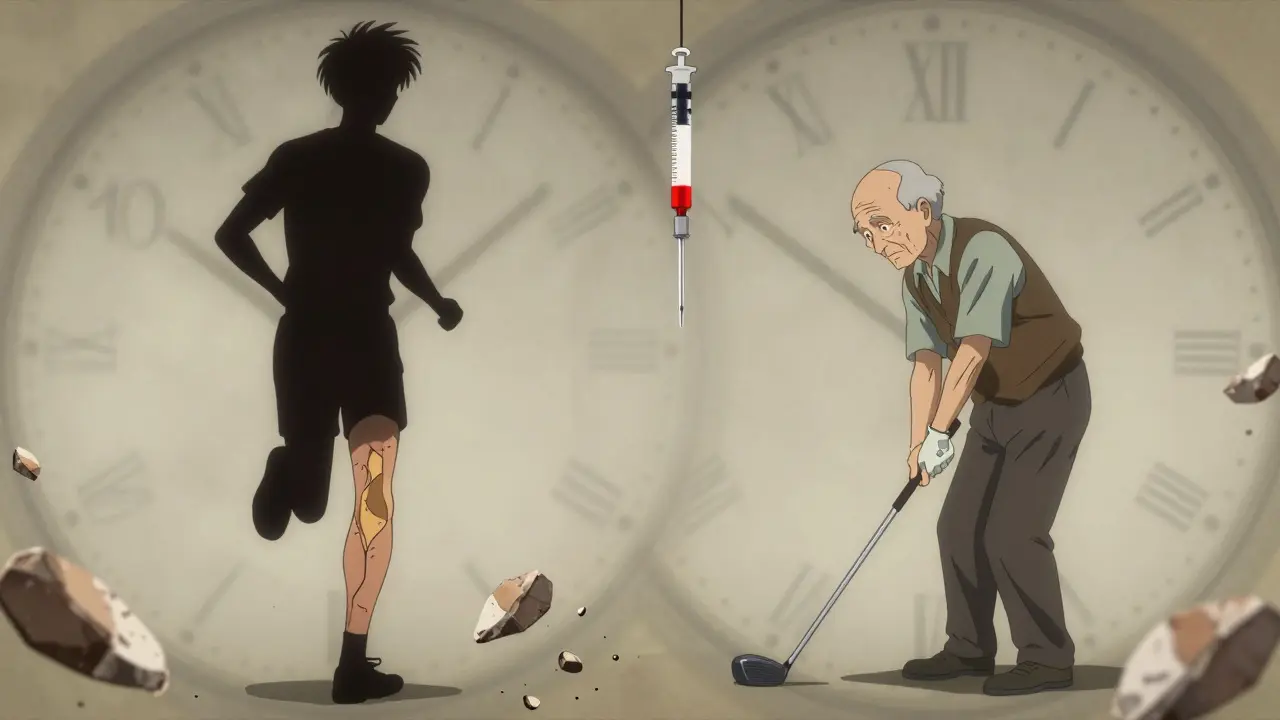
you’re likely to see real relief. A 2023 meta-analysis of 15 studies found that corticosteroid injections provided noticeable pain reduction for about 2-4 weeks on average. For some, it lasts up to 12 weeks. One patient from the Arthritis Foundation community reported returning to competitive golf within 10 days after a hip bursitis injection, with 70% pain reduction for 12 weeks. That’s life-changing for someone who thought they’d never swing a club again.
But if your pain comes from advanced osteoarthritis-where cartilage is worn down to bone-corticosteroids won’t fix that. They might dull the inflammation around the damaged joint, but they don’t repair the cartilage. In fact, a 2023 study from the Osteoarthritis Initiative found patients who got repeated knee injections had over three times higher odds of seeing their joint damage worsen on X-rays. That’s why the American College of Rheumatology now advises against using these injections for end-stage osteoarthritis.
How Many Is Too Many?
There’s a hard limit. Most experts agree: no more than 3-4 injections per joint per year. Some doctors say every three months is safe. Others warn that even that’s too much. Why? Because corticosteroids don’t just calm inflammation-they weaken tissue. They suppress collagen production, which is how tendons, ligaments, and even cartilage stay strong. Repeated injections can lead to tendon ruptures, especially in the Achilles or rotator cuff. One study found patients who got injections within three months of knee or hip replacement surgery had more than twice the risk of postoperative joint infection.
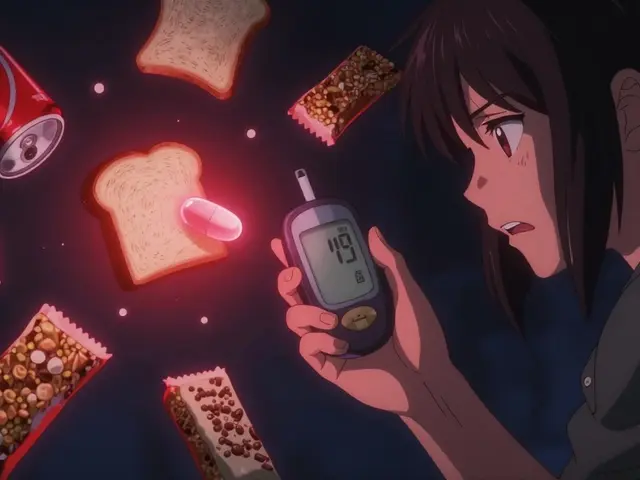
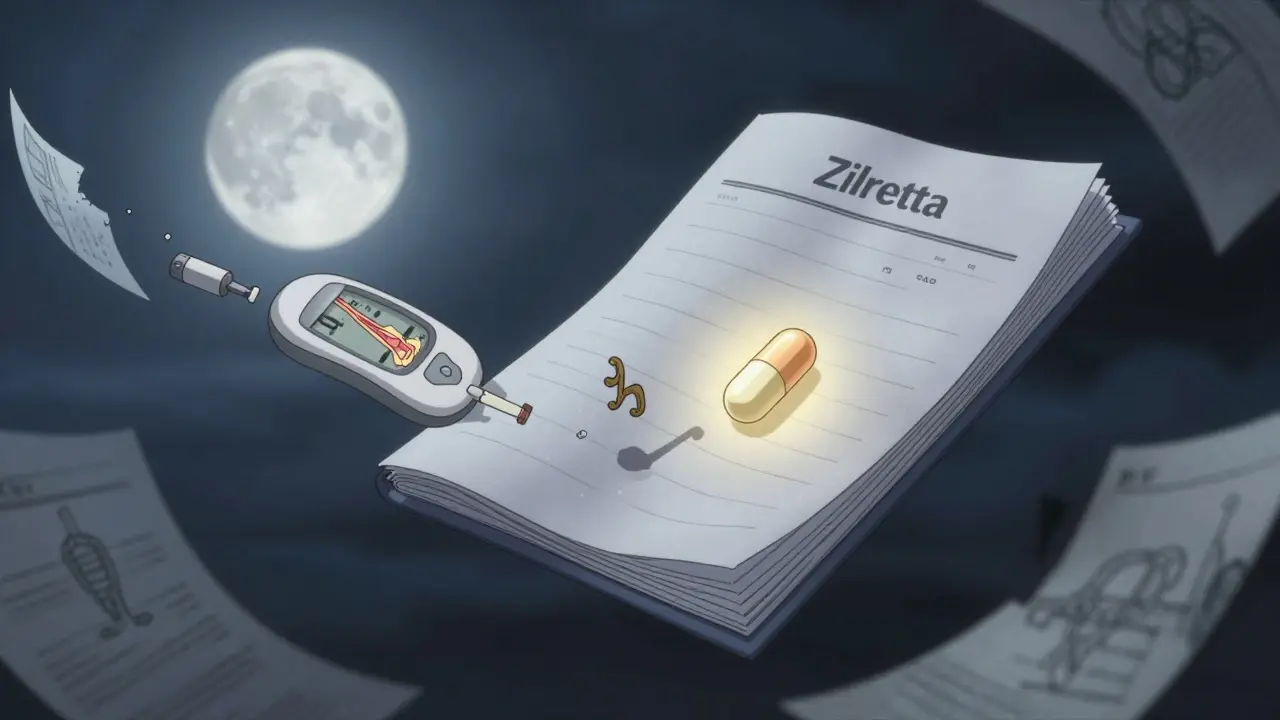
And it’s not just about the joint. Diabetics need to watch their blood sugar. Corticosteroids can spike glucose levels for up to 72 hours after the shot. Skin thinning or lightening at the injection site happens in about 17% of users. It’s rare, but it’s permanent. That’s why ultrasound guidance matters. A 2022 study showed ultrasound improves accuracy from 70% to 95%. If your doctor isn’t using it, ask why. Blind injections risk hitting the wrong spot-like the tendon instead of the joint space.
Costs and Alternatives
Without insurance, a corticosteroid injection costs between $100 and $300. That’s far cheaper than alternatives like platelet-rich plasma (PRP), which runs $500-$1,500 per shot, or viscosupplementation (hyaluronic acid), which costs $500-$1,000. But cost isn’t the whole story. PRP and stem cell therapies are marketed as regenerative, but the evidence for long-term benefit is still weak. A 2023 study comparing corticosteroids to PRP for tennis elbow found corticosteroids won for pain relief at one month-but by three months, there was no difference. PRP didn’t outperform saline.
There’s one new option gaining traction: Zilretta. This is an extended-release form of triamcinolone acetonide approved by the FDA in 2023. In clinical trials, 45% of patients with knee osteoarthritis had pain relief for up to 12 weeks, compared to just 24% with standard corticosteroids. It’s not a miracle, but for someone who can’t afford frequent shots, it’s a step forward.
What to Expect After the Injection
Don’t rush back to the gym. After the injection, rest the joint for 48 hours. Avoid heavy lifting, running, or high-impact activity. Why? Because movement can spread the corticosteroid crystals into surrounding tissues, triggering a flare. If you have diabetes, check your blood sugar twice a day for the next three days. Drink plenty of water. Take acetaminophen if you need pain relief-avoid NSAIDs unless your doctor says it’s okay, because they can mask warning signs of a flare.
Keep a journal. Note when the pain starts to ease, how long it lasts, and if you notice any side effects. That info is gold when you talk to your doctor about the next step. If the first shot gave you eight weeks of relief, the second gave you six, and the third only three? That’s not normal progression. It’s a signal that the joint is getting more damaged, not less.
When to Say No
There are clear red flags. If you’ve had three or more injections in the same joint in the past year, don’t get another one without a second opinion. If your pain comes from structural damage-like a torn meniscus or severe cartilage loss-corticosteroids aren’t the answer. They’re a band-aid on a broken foundation. And if you’re planning joint surgery in the next six months, skip the shot. The infection risk is real.
Also, if you’ve tried physical therapy, weight management, activity modification, or even over-the-counter braces and still haven’t seen improvement, maybe it’s time to rethink your approach. Corticosteroids aren’t the first line for everyone. They’re a tool for specific situations: acute inflammation, not chronic degeneration.
The Bigger Picture
Corticosteroid injections are one of the most widely used procedures in musculoskeletal medicine. About 10 million are given in the U.S. every year. But they’re not magic. They don’t heal. They don’t regenerate. They just quiet the noise for a while. That’s valuable-especially when you need to get through a wedding, a job interview, or a holiday trip. But if you’re relying on them as your main pain management strategy, you’re setting yourself up for more problems down the road.
The future isn’t about more injections. It’s about smarter ones. Researchers are now testing combinations: corticosteroids paired with PRP, or slow-release formulations that target inflammation without weakening tissue. Until then, the best rule is simple: use them sparingly, use them wisely, and always ask: Is this helping my joint, or just hiding the damage?
How long do corticosteroid injections last?
Most people experience pain relief for 2 to 6 weeks, with some lasting up to 12 weeks-especially with newer extended-release forms like Zilretta. But relief fades over time, and after 6 weeks, studies show no significant benefit compared to placebo. Repeated injections often lead to diminishing returns, with some patients reporting shorter relief after each shot.
Are corticosteroid injections safe for diabetics?
They can raise blood sugar levels for up to 72 hours after the injection. Diabetics should monitor their glucose levels closely during this time and may need to adjust their insulin or oral medications temporarily. It’s not dangerous if managed, but it’s a real risk that many patients aren’t warned about before the procedure.
Can corticosteroid injections cause tendon rupture?
Yes. Repeated injections weaken tendons by suppressing collagen production-the protein that keeps them strong. The Achilles, rotator cuff, and patellar tendons are most at risk. While rare, ruptures can happen even with a single injection if the patient resumes high-impact activity too soon. Doctors typically advise avoiding strenuous use of the joint for 48 hours after the shot.
Why do some people feel worse after a cortisone shot?
This is called a post-injection flare. It happens when the body reacts to the crystalline form of the corticosteroid, causing temporary inflammation. It usually lasts 24-72 hours and can be managed with ice, rest, and non-aspirin pain relievers like acetaminophen. It’s not an infection, but it’s common enough that patients should be warned before the procedure.
Do corticosteroid injections cure arthritis?
No. They only reduce inflammation temporarily. They don’t repair damaged cartilage, reverse osteoarthritis, or stop joint degeneration. In fact, repeated use in joints with advanced arthritis may accelerate damage. They’re best used for short-term flare-ups, not as a long-term solution for chronic joint disease.