When a brand-name drug loses its patent, you’d expect prices to drop fast - and they usually do. But sometimes, the same drug you used to pay $300 for suddenly shows up on pharmacy shelves for $20… with the exact same name, same packaging, even the same logo. That’s not a mistake. It’s an authorized generic.
What Exactly Is an Authorized Generic?
An authorized generic isn’t made by a rival company trying to copy a brand drug. It’s made by the original brand manufacturer - but sold under a generic label. Think of it like a car company releasing the same model under a budget brand name. No reformulation. No changes. Just a lower price tag. The FDA has tracked these since 1999, and between 2010 and 2019, there were 854 launches. Most didn’t hit the market until after the first traditional generic arrived. That’s not random. It’s calculated. Brand companies wait. They watch. They let the first generic competitor take the market by lowering prices. Then - boom - they drop their own version at an even lower price. This moves customers away from the independent generic and back toward their own product, keeping revenue flowing even after patent expiry.Why Do Brand Companies Do This?
It’s not charity. It’s strategy. When a blockbuster drug like imatinib or celecoxib loses exclusivity, revenue can collapse overnight. Traditional generics can capture 80% of the market within months. To avoid losing everything, brand manufacturers use authorized generics as a buffer. They don’t want to compete with themselves - they want to compete with the competition. In markets where a generic company gets 180 days of exclusivity (a legal perk under the Hatch-Waxman Act), about 70% of authorized generics launch before or during that window. That’s not coincidence. That’s a targeted strike. By doing this, brand companies protect their profits while still appearing to support lower drug prices. Patients get cheaper options. But the real winner? The original manufacturer - they keep control of supply, distribution, and pricing.Where Are Authorized Generics Most Common?
You’ll find them mostly in oral solid drugs - pills and capsules. Why? Because those are easy to copy. The manufacturing process is simple. The FDA approves them quickly. That makes them perfect for this kind of market play. In 2024, over 80% of authorized generics were for tablet or capsule forms. Biologics? Not so much. But that’s changing. Drugs like ustekinumab and vedolizumab - used for autoimmune diseases - are losing patent protection starting in 2025. Their biosimilar versions are coming fast. And guess what? The same companies that made the originals are already preparing authorized versions. The opportunity? Around $25 billion in oncology and immunology markets by 2029. Authorized generics could become a bridge between brand-name biologics and biosimilars - giving manufacturers a way to stay relevant while the market shifts.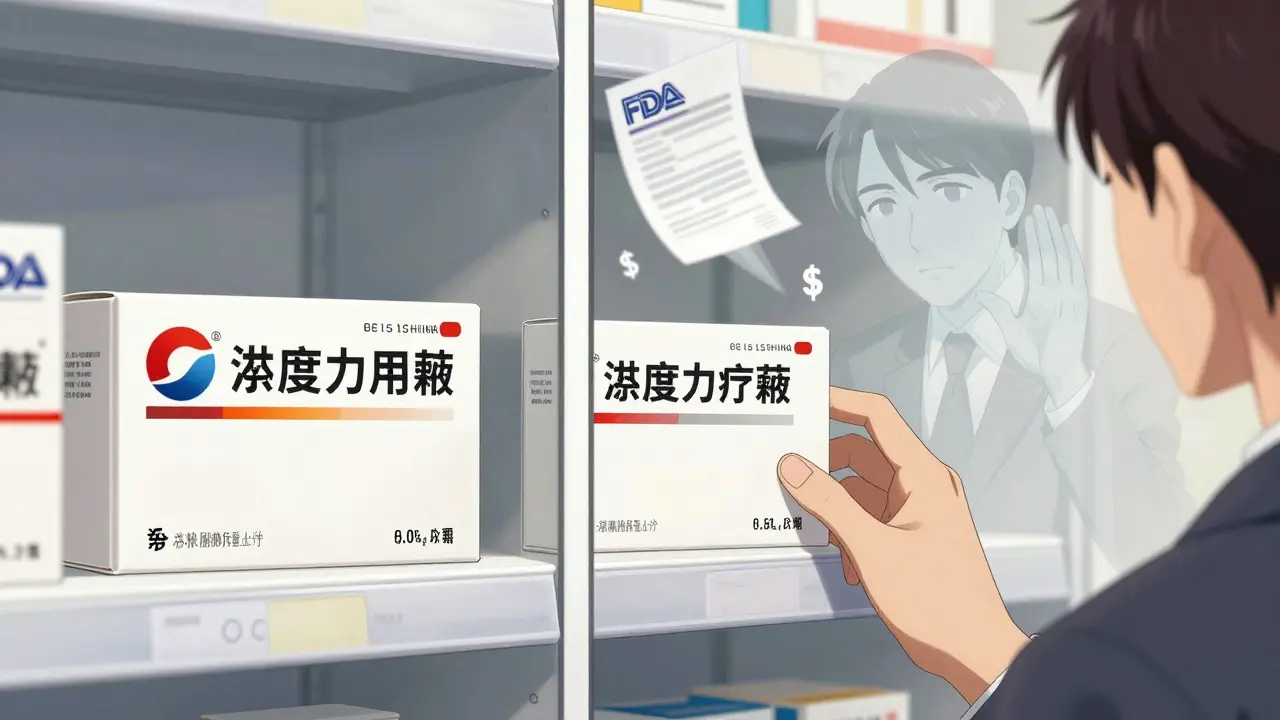
The FDA Is Changing the Rules
In October 2025, the FDA announced a new pilot program: faster approval for generic drugs made entirely in the U.S. - from active ingredients to final packaging. This isn’t just about speed. It’s about control. The U.S. has spent years trying to reduce dependence on overseas manufacturing, especially after supply chain disruptions during the pandemic. Now, if you want your ANDA reviewed faster, you need to make the drug here. What does this mean for authorized generics? A lot. Brand manufacturers who’ve been outsourcing production to India or China might now shift to U.S.-based facilities - not just for traditional generics, but for their own authorized versions. That could make authorized generics more common, more reliable, and possibly cheaper in the long run. It also means independent generic companies might struggle. If the big brands get faster approvals and better supply chains, they’ll have an edge. That could shrink the market for smaller generic players.Is This Good for Patients?
On the surface, yes. Lower prices. More options. But the story gets messy. Research from the JAMA Health Forum in 2025 shows that when brand companies delay generic entry - even with authorized generics - patients and insurers pay more. In some cases, prices stayed high for years longer than they should have. For drugs like imatinib, that meant $2.5 billion extra in commercial insurance costs and $2.4 billion in Medicare over three years after patent expiry. The problem isn’t the authorized generic itself. It’s the timing. When companies hold back their own version until after the first generic enters, they’re not helping competition - they’re manipulating it. But here’s the twist: the practice of delaying launches is declining. According to RAPS in June 2025, brand companies are launching authorized generics sooner - sometimes even before the first generic. Why? Pressure. From regulators. From lawmakers. From public outcry over drug prices.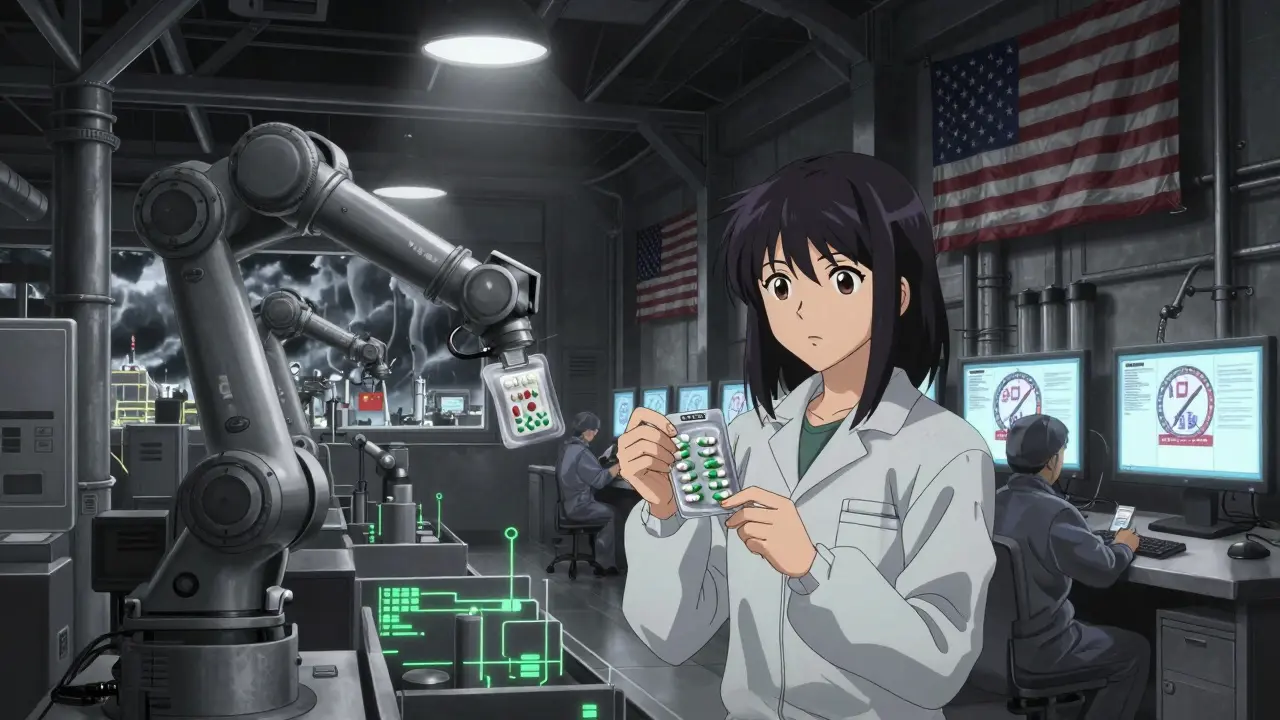
Kuldipsinh Rathod
December 26, 2025 AT 00:59This is wild. I never realized the same pill could cost $300 one day and $20 the next just because of a label change. My uncle takes imatinib and has no idea he’s been overpaying for years. Pharma’s playing chess while we’re just trying to survive.
SHAKTI BHARDWAJ
December 26, 2025 AT 05:32OMG THIS IS A SCAM 💥 I CAN’T BELIEVE THEY’RE DOING THIS 😭 MY MOM DIED BECAUSE SHE COULDN’T AFFORD HER MEDS AND NOW I LEARN THE COMPANY JUST REPACKAGED IT???!?!?!? THEY’RE MONSTERS I HOPE THEY ALL GO TO HELL 🔥🔥🔥
Matthew Ingersoll
December 26, 2025 AT 10:17The FDA’s new pilot program is a quiet revolution. U.S.-based manufacturing isn’t just about supply chain security-it’s about accountability. When the whole process happens domestically, you can trace quality, labor practices, and even environmental impact. Authorized generics might finally become a tool for public good instead of corporate maneuvering.
Ryan Cheng
December 28, 2025 AT 00:14Let’s be real-authorized generics are a double-edged sword. On one hand, they bring down prices and give patients access. On the other, they’re used as a weapon to kill competition before it even gets going. The real win? If companies start launching them *before* the first generic hits, that’s when we see actual market pressure. But right now, it’s still too often a delaying tactic disguised as generosity.
Pharmacists need better training too. Patients shouldn’t have to guess if their ‘generic’ is just the brand in disguise. Clear labeling, plain language, and pharmacist education could fix half the confusion.
wendy parrales fong
December 29, 2025 AT 21:09I just think it’s so weird that we let companies decide what’s fair. Like, they make the drug, they own the patent, then they make a cheaper version of it… and we’re supposed to be grateful? Maybe we need laws that say: if you make it, you can’t charge more than 20% above your own generic price. Just a thought.
Also, why is it so hard to just say ‘same pill, different box’? People are scared of generics. They think they’re weaker. But if it’s the same factory? It’s the same medicine. We need to fix the fear, not just the price.
Jeanette Jeffrey
December 30, 2025 AT 19:09Oh please. You think this is about patients? Nah. It’s about Wall Street. The minute a drug loses exclusivity, the stock drops. So they roll out an ‘authorized generic’ to pretend they’re helping while quietly hoarding profits. It’s not innovation-it’s manipulation with a smiley face. And don’t even get me started on the ‘U.S. manufacturing’ hype. They’ll just outsource to a factory in Ohio and call it ‘domestic’ while still using Chinese API. Wake up.
Shreyash Gupta
December 31, 2025 AT 18:20bro this is so real 😔 i took celecoxib last year and the pharmacy gave me the "generic" but it was the same exact bottle just with a different label... i asked why it was cheaper and they said "same thing"... i felt like i got scammed 😭
also why do we let them do this? 🤡
Ellie Stretshberry
January 1, 2026 AT 11:24i just want to say thank you for writing this i had no idea any of this was happening
my grandma takes a pill that just went generic and i always thought the brand was better
now i know it’s the same thing
she’s been paying extra for nothing
we’re gonna switch to the cheaper one next refill
thank you for making me see it
Zina Constantin
January 2, 2026 AT 17:59This isn’t just about drugs-it’s about trust. When a company that made your medicine for years suddenly sells you the same thing at half the price under a different name, it feels like betrayal. But if they do it early, transparently, and without blocking competitors? That’s leadership. The future belongs to the companies that stop playing games and start serving people. Let’s hold them to that.