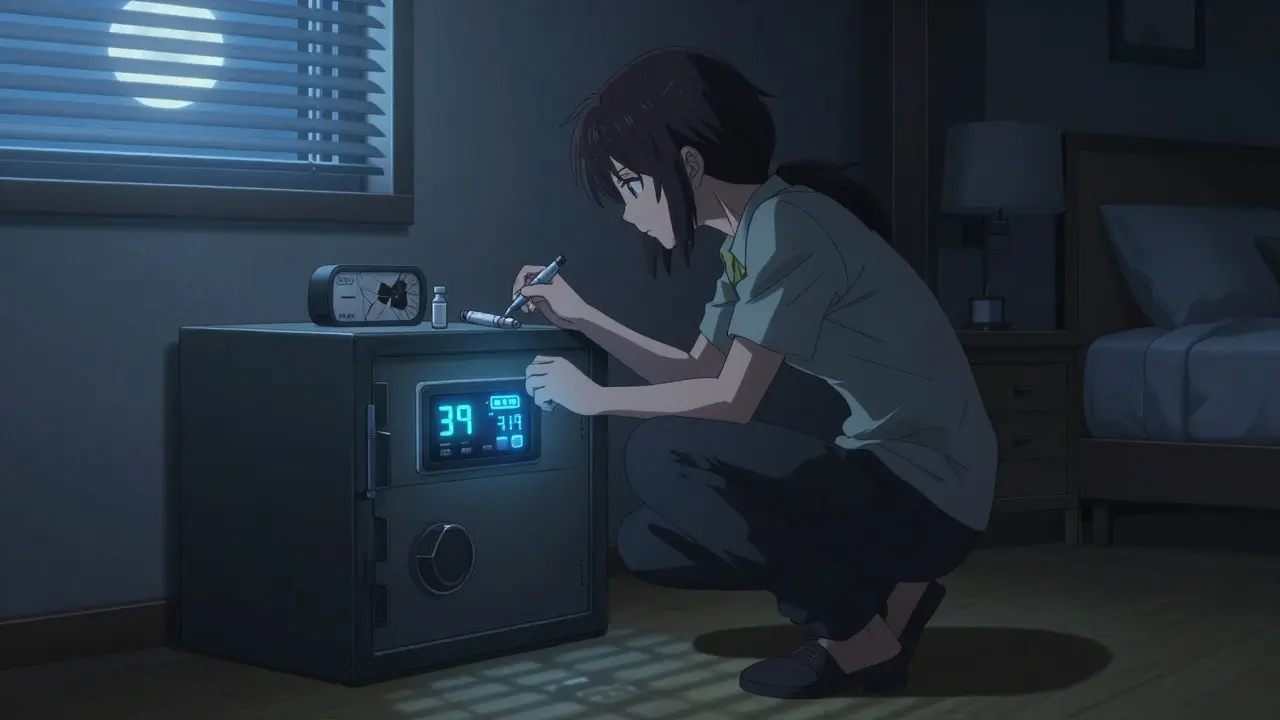
How to Handle Medication Security at Hotels and Hostels
Learn how to keep your medications safe while staying at hotels and hostels. From using electronic safes to avoiding theft in dorms, this guide covers real strategies backed by data and expert advice.
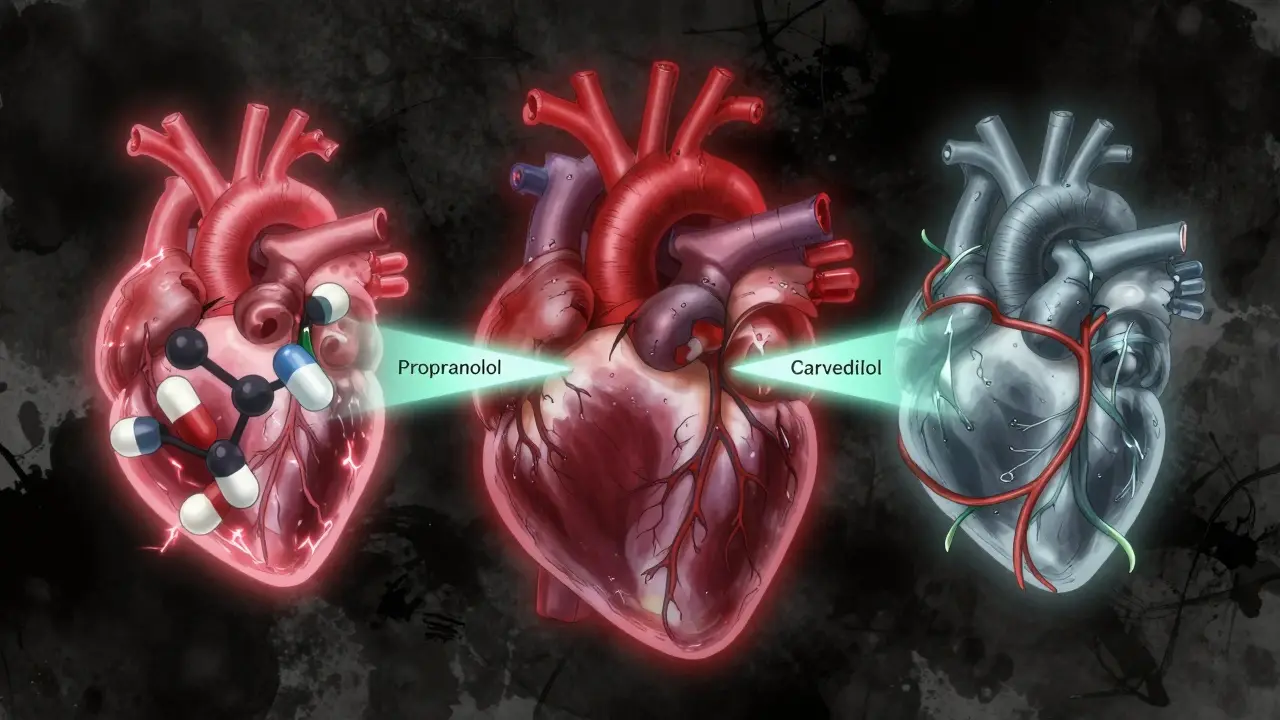
Beta-Blockers: How Different Types Interact and Why One Drug May Work Better Than Another
Not all beta-blockers are the same. Learn how propranolol, carvedilol, nebivolol, and others differ in how they work, their side effects, and why your doctor picks one over another for heart failure, high blood pressure, or arrhythmias.
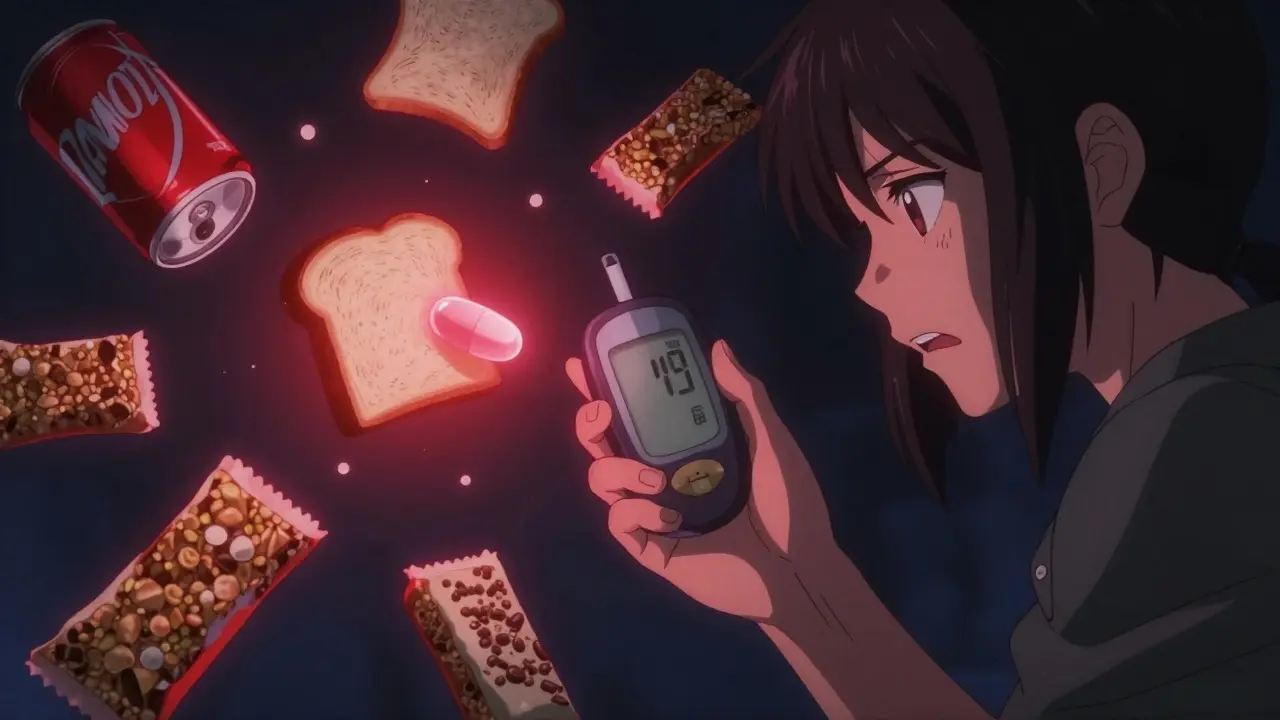
Sugar Intake and Diabetes Medications: How Diet Impacts Your Treatment
Sugar intake directly impacts how well diabetes medications like metformin work. Learn which foods sabotage your treatment, why consistency matters more than restriction, and how to pair diet with meds for better blood sugar control.
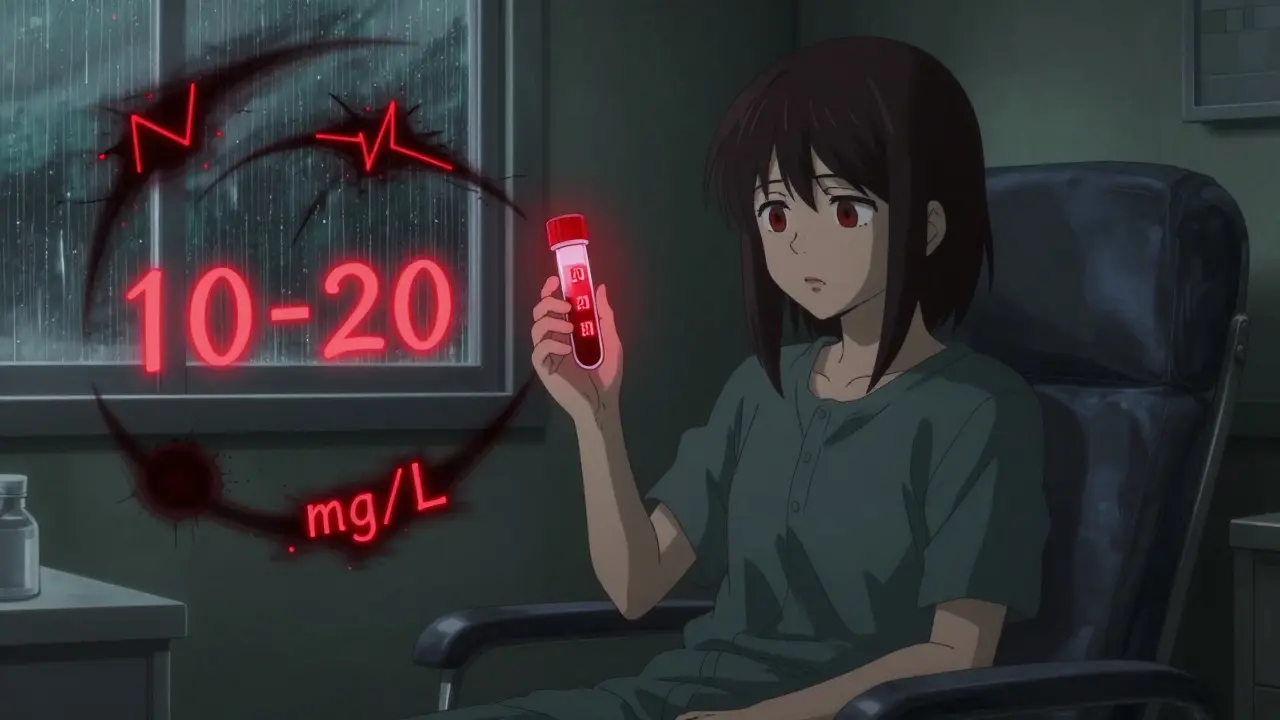
Theophylline Levels: Why NTI Monitoring Is Critical for Safe and Effective Treatment
Theophylline is effective for asthma and COPD, but its narrow therapeutic index means even small dosing errors can cause life-threatening toxicity. Regular blood monitoring is essential to stay safe and get the full benefit.
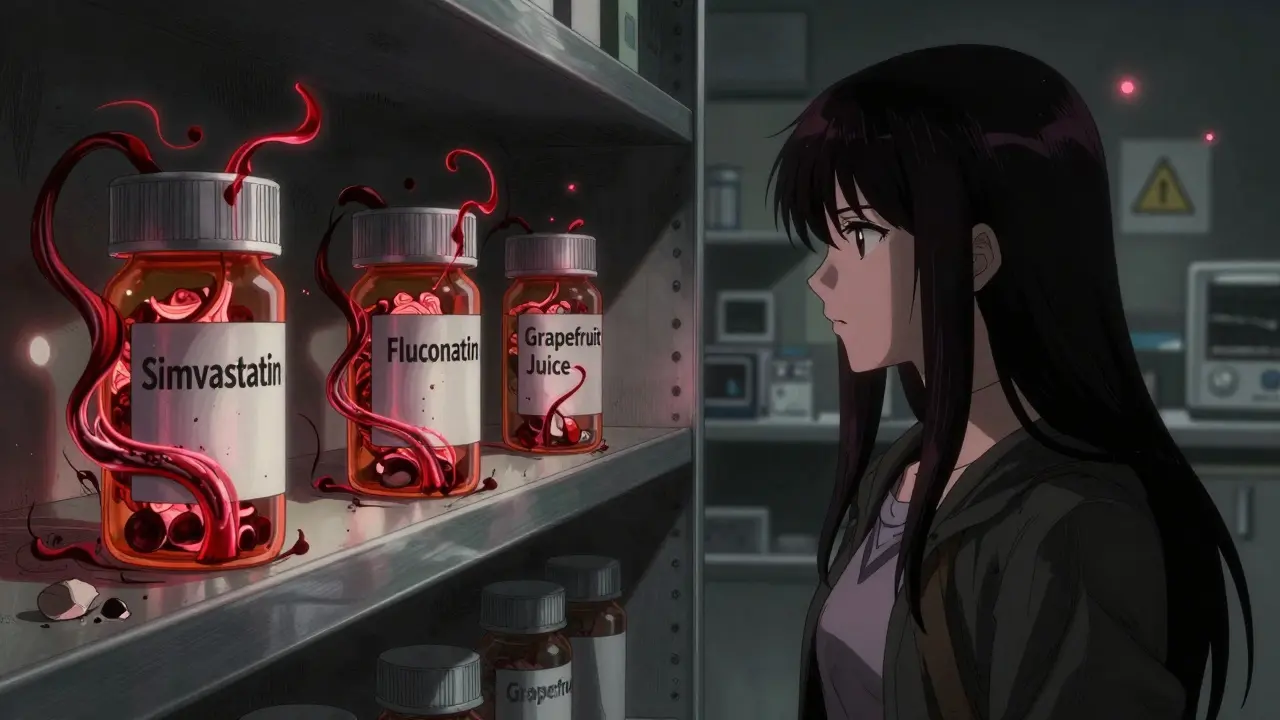
Drug Interactions Discovered After Approval: What You Need to Know
Many dangerous drug interactions aren't found until after a medication is widely used. Learn how post-market surveillance catches hidden risks, why clinical trials miss them, and what you can do to stay safe.

Nosebleeds Linked to Medications: Common Causes and How to Prevent Them
Nosebleeds can be caused by common medications like aspirin, ibuprofen, and blood thinners. Learn which drugs trigger them, how to prevent them, and what to do when they happen - without stopping essential meds.
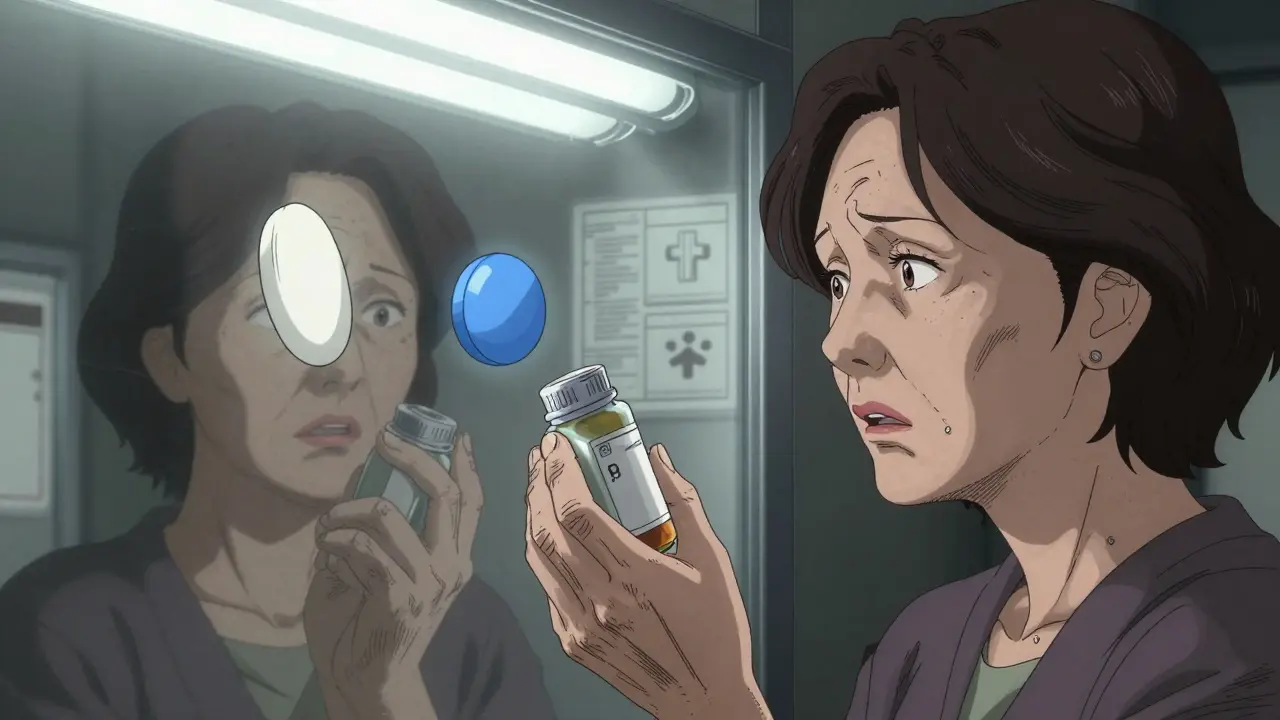
Generic Appearance Changes: Why Your Pill Looks Different and What to Do About It
Generic pills often look different from brand-name versions due to U.S. trademark laws. These changes in color, shape, or size can confuse patients and lead to missed doses. Learn why it happens and how to stay safe.
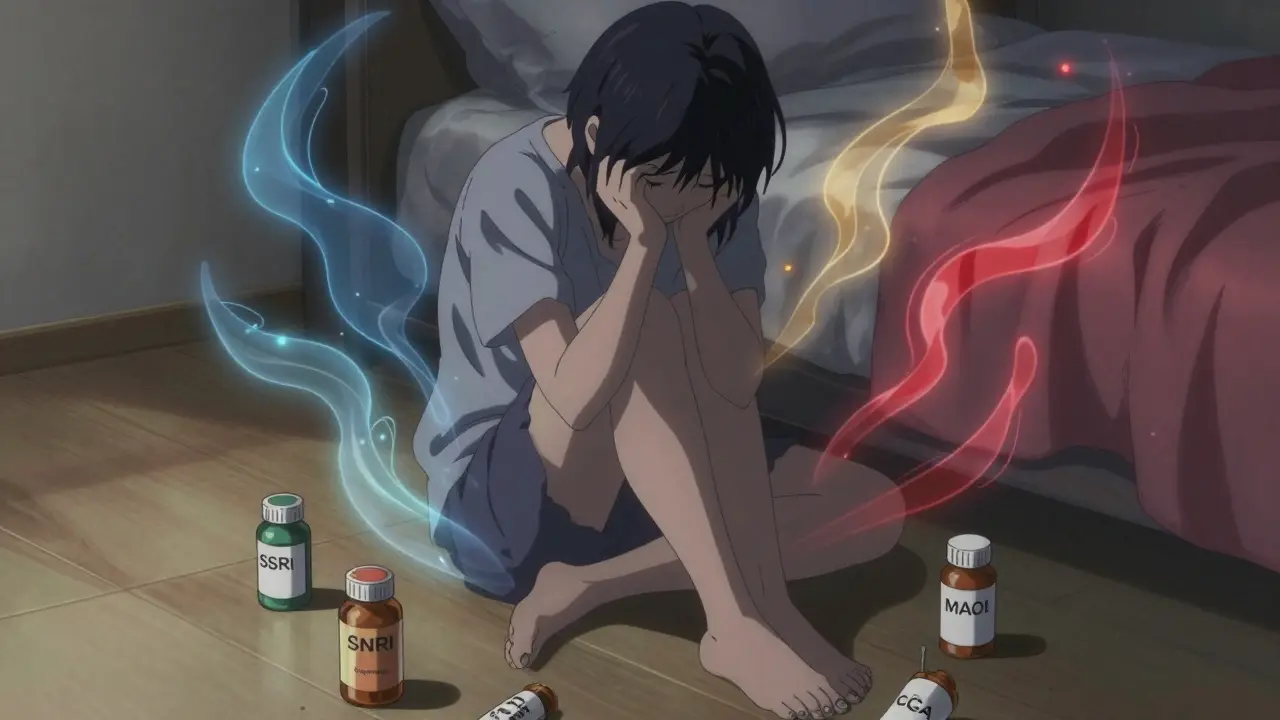
Antidepressants: Types and Safety Profiles for Patients
Antidepressants help millions manage depression, but they come with risks like weight gain, sexual side effects, and withdrawal. Learn the differences between SSRI, SNRI, and other types, what to expect, and how to use them safely.
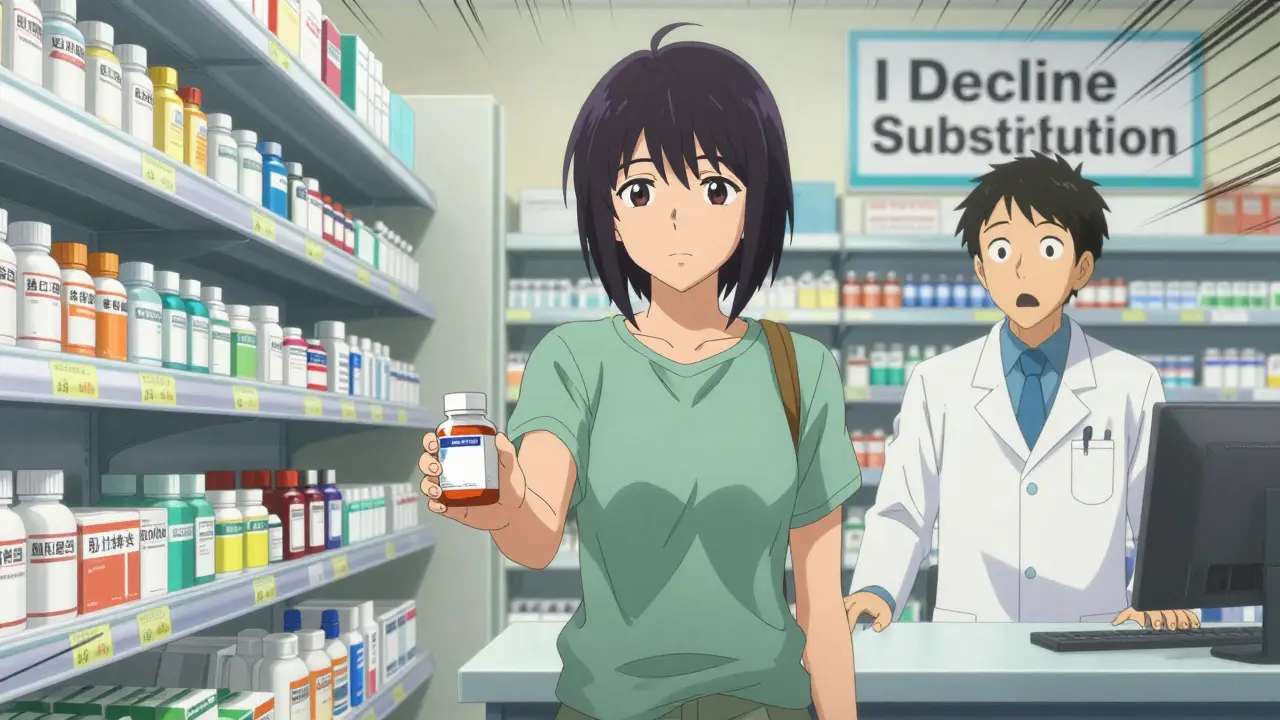
Patient Rights: How to Refuse Generic Substitution and Request Brand-Name Medications
Learn how to legally refuse generic drug substitution and request your brand-name medication. Know your rights, state laws, and what to say at the pharmacy to protect your health.
Natural Remedies and Supplements for Side Effects: What’s Backed by Evidence
Many natural remedies and supplements are marketed as safe alternatives for managing side effects, but evidence shows they can cause serious harm, interact with medications, or be contaminated. Learn what actually works-and what to avoid.