
Generic Prices Online: Comparing E-Pharmacy vs Retail Costs
Online pharmacies often offer generic medications at up to 80% less than retail pharmacies. Learn how platforms like Beem and GoodRx cut out middlemen to deliver real savings - and when to stick with your local pharmacy.

Pharmaceutical Equivalence for Generics: What It Really Means in Practice
Pharmaceutical equivalence ensures generic drugs contain the same active ingredient as brand-name versions. Learn how this standard works, why it matters for safety and cost, and what you need to know before switching.

Manufacturing Challenges for Biosimilars: Complex Production
Biosimilars are complex biologic drugs that mimic original treatments but can't be exact copies due to their living-cell production. Manufacturing them requires mastering glycosylation, scaling up without losing quality, and navigating strict global regulations-all while keeping costs under control.

Acromegaly: Understanding Excess Growth Hormone and Realistic Treatment Options
Acromegaly is a rare hormonal disorder caused by excess growth hormone in adults, leading to physical changes and serious health risks. Learn how it's diagnosed, treated, and why early intervention saves lives.
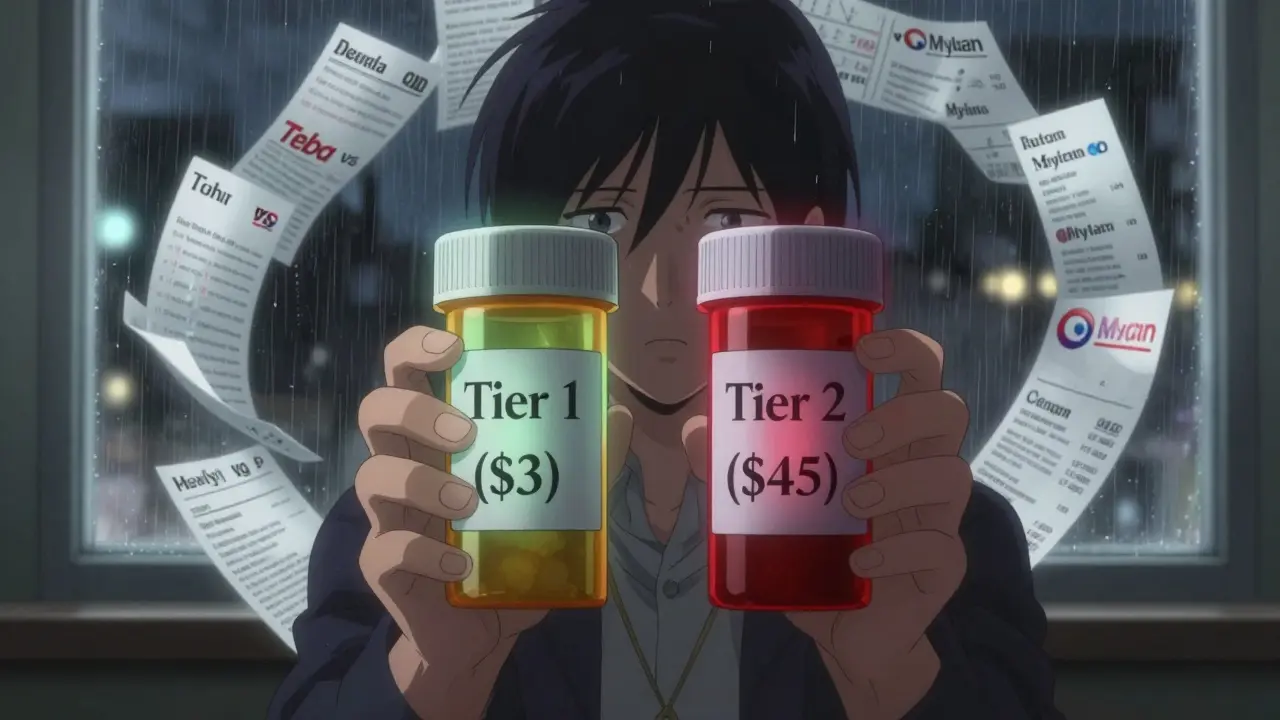
Switching Health Plans? How to Evaluate Generic Drug Coverage to Save Money
Switching health plans? Learn how generic drug coverage works, how formulary tiers affect your out-of-pocket costs, and what to check to avoid expensive surprises. Save hundreds on your prescriptions.

Corticosteroid Injections for Joint Pain: What You Need to Know About Relief and Risks
Corticosteroid injections can quickly reduce joint inflammation and pain, but they're not a cure. Learn how they work, who benefits most, how many are safe, and the real risks behind the relief.

Chronic Pancreatitis: Managing Pain, Enzyme Therapy, and Nutrition
Chronic pancreatitis causes persistent pain, malabsorption, and nutrient loss. Learn how enzyme therapy, targeted nutrition, and pain management strategies can improve daily life and prevent complications.

Post-Surgical Pain Management: Multimodal Strategies to Reduce Opioid Use
Multimodal analgesia reduces post-surgical pain and opioid use by combining non-opioid drugs and techniques. Learn how hospitals are cutting opioid reliance with proven, science-backed strategies.

Steroid-Induced Psychosis: How to Recognize and Treat It in an Emergency
Steroid-induced psychosis is a dangerous but treatable side effect of high-dose corticosteroids. Recognizing early signs like agitation and confusion within days of starting treatment can prevent full-blown psychosis. Tapering the steroid and using low-dose antipsychotics leads to recovery in over 90% of cases.

How to Store Emergency Kits to Maximize Medication Shelf Life
Learn how to properly store emergency medications to maximize shelf life and ensure they work when you need them most. Avoid common mistakes that cause potency loss and keep your life-saving drugs effective during disasters.