
Medication Costs: How Coupons, Generics, and Prior Authorizations Really Affect Your Pocket
Learn how to cut your prescription costs using generics, coupons, and prior authorization appeals. With new Medicare pricing rules in 2026, you can save hundreds-even thousands-on medications without changing your treatment.

Vestibular Migraine: How to Manage Dizziness and Headaches Effectively
Vestibular migraine causes dizziness and headaches without always involving pain. Learn how to diagnose it, manage acute attacks, prevent future episodes with meds and lifestyle changes, and benefit from vestibular rehab. Most patients improve with the right plan.

Cmax and AUC in Bioequivalence: What Peak Concentration and Total Exposure Really Mean
Cmax and AUC are the two key measurements used to prove generic drugs work the same as brand-name ones. Cmax shows peak concentration; AUC shows total exposure. Both must meet strict 80%-125% criteria to ensure safety and effectiveness.

Carbohydrate Counting for Diabetes: A Complete Beginner’s Guide
Learn how carb counting helps people with diabetes manage blood sugar by tracking carbohydrate intake. This beginner’s guide covers portion sizes, insulin ratios, food labels, apps, and common mistakes-with real-world tips for lasting control.

Alpha-Blockers and PDE5 Inhibitors: How to Avoid Dizziness and Fainting
Combining alpha-blockers and PDE5 inhibitors can cause dangerous drops in blood pressure, leading to dizziness and fainting. Learn how to safely use these medications together with proven dosing, timing, and lifestyle strategies.
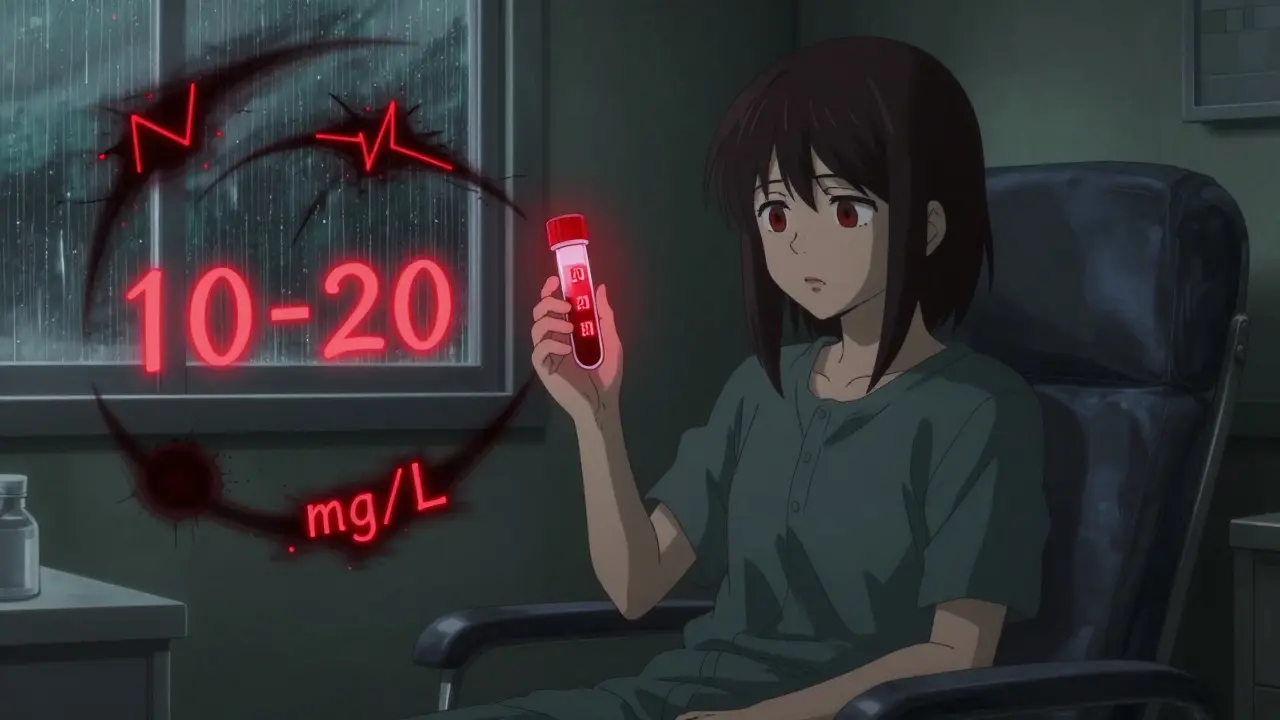
Theophylline Levels: Why NTI Monitoring Is Critical for Safe and Effective Treatment
Theophylline is effective for asthma and COPD, but its narrow therapeutic index means even small dosing errors can cause life-threatening toxicity. Regular blood monitoring is essential to stay safe and get the full benefit.

Drug Interactions Discovered After Approval: What You Need to Know
Many dangerous drug interactions aren't found until after a medication is widely used. Learn how post-market surveillance catches hidden risks, why clinical trials miss them, and what you can do to stay safe.

Alcohol and Blood Thinners: What You Need to Know About Bleeding Risk and INR Changes
Alcohol can cause dangerous INR fluctuations in people taking warfarin, increasing bleeding risk. Learn how much is safe, what signs to watch for, and how to manage alcohol while on blood thinners.
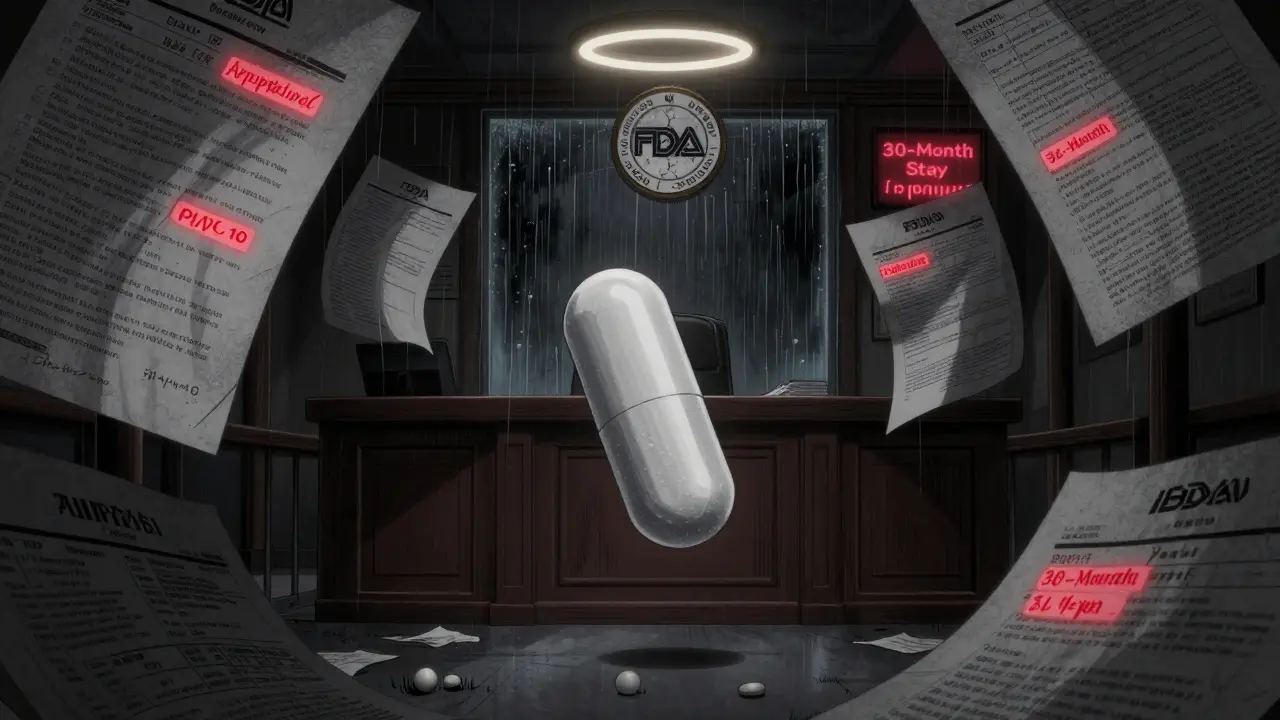
Tentative Approval for Generics: Common Reasons for Delays
Tentative FDA approval for generic drugs means they're scientifically ready but can't be sold yet. Common delays include patent lawsuits, manufacturing issues, and slow applicant responses - costing patients time and money.

Nosebleeds Linked to Medications: Common Causes and How to Prevent Them
Nosebleeds can be caused by common medications like aspirin, ibuprofen, and blood thinners. Learn which drugs trigger them, how to prevent them, and what to do when they happen - without stopping essential meds.