Tentative Approval for Generics: Common Reasons for Delays
Tentative FDA approval for generic drugs means they're scientifically ready but can't be sold yet. Common delays include patent lawsuits, manufacturing issues, and slow applicant responses - costing patients time and money.

Nosebleeds Linked to Medications: Common Causes and How to Prevent Them
Nosebleeds can be caused by common medications like aspirin, ibuprofen, and blood thinners. Learn which drugs trigger them, how to prevent them, and what to do when they happen - without stopping essential meds.
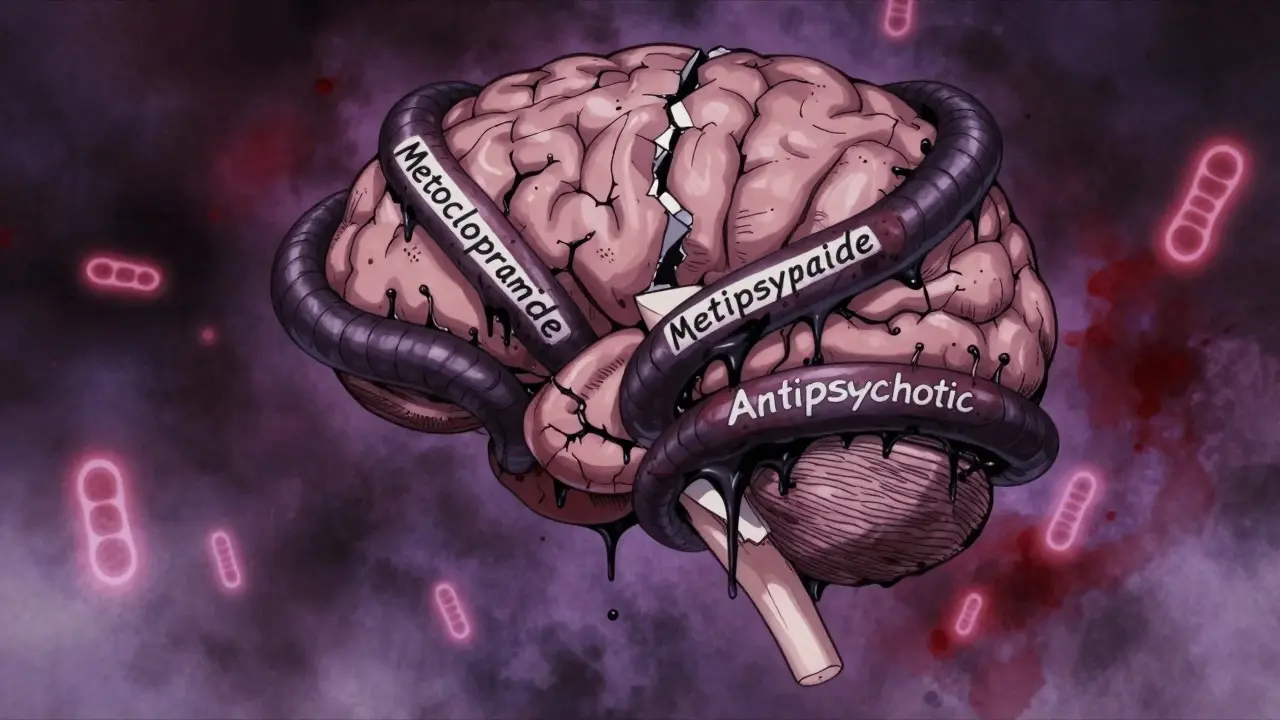
Metoclopramide and Antipsychotics: The Hidden Danger of Neuroleptic Malignant Syndrome
Combining metoclopramide with antipsychotics can trigger neuroleptic malignant syndrome, a life-threatening condition. Learn why this interaction is so dangerous, who’s at risk, and what safer alternatives exist.
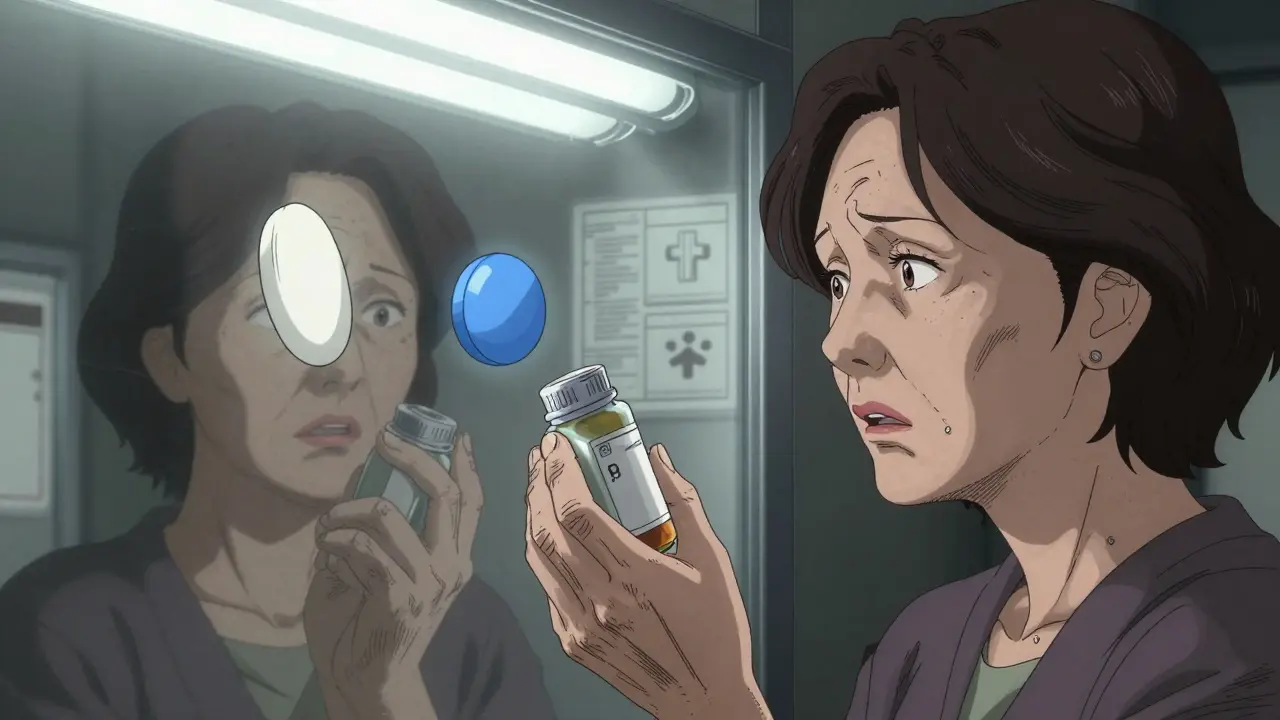
Generic Appearance Changes: Why Your Pill Looks Different and What to Do About It
Generic pills often look different from brand-name versions due to U.S. trademark laws. These changes in color, shape, or size can confuse patients and lead to missed doses. Learn why it happens and how to stay safe.

Antidepressants: Types and Safety Profiles for Patients
Antidepressants help millions manage depression, but they come with risks like weight gain, sexual side effects, and withdrawal. Learn the differences between SSRI, SNRI, and other types, what to expect, and how to use them safely.
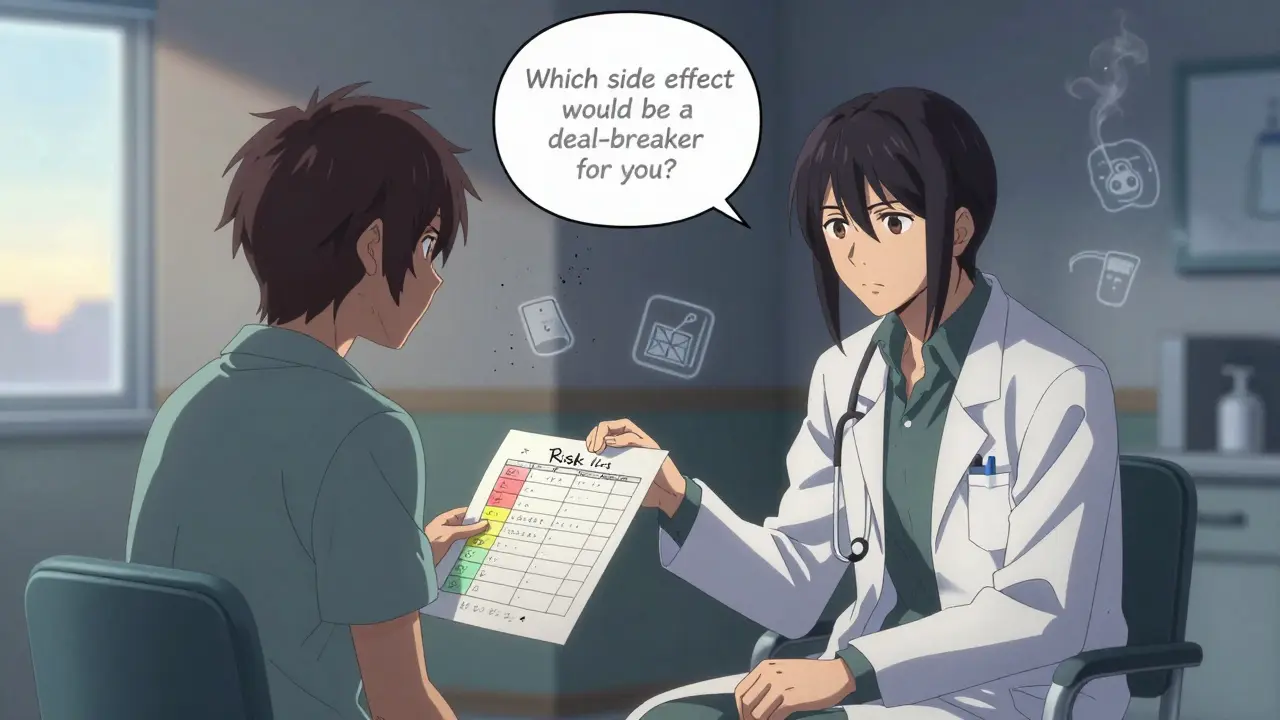
Shared Decision-Making Scripts for Side Effect Trade-Offs: How to Talk About Medication Risks with Your Doctor
Learn how to talk with your doctor about medication side effects using proven shared decision-making scripts. Understand real risks, ask the right questions, and make treatment choices that fit your life-not just your diagnosis.
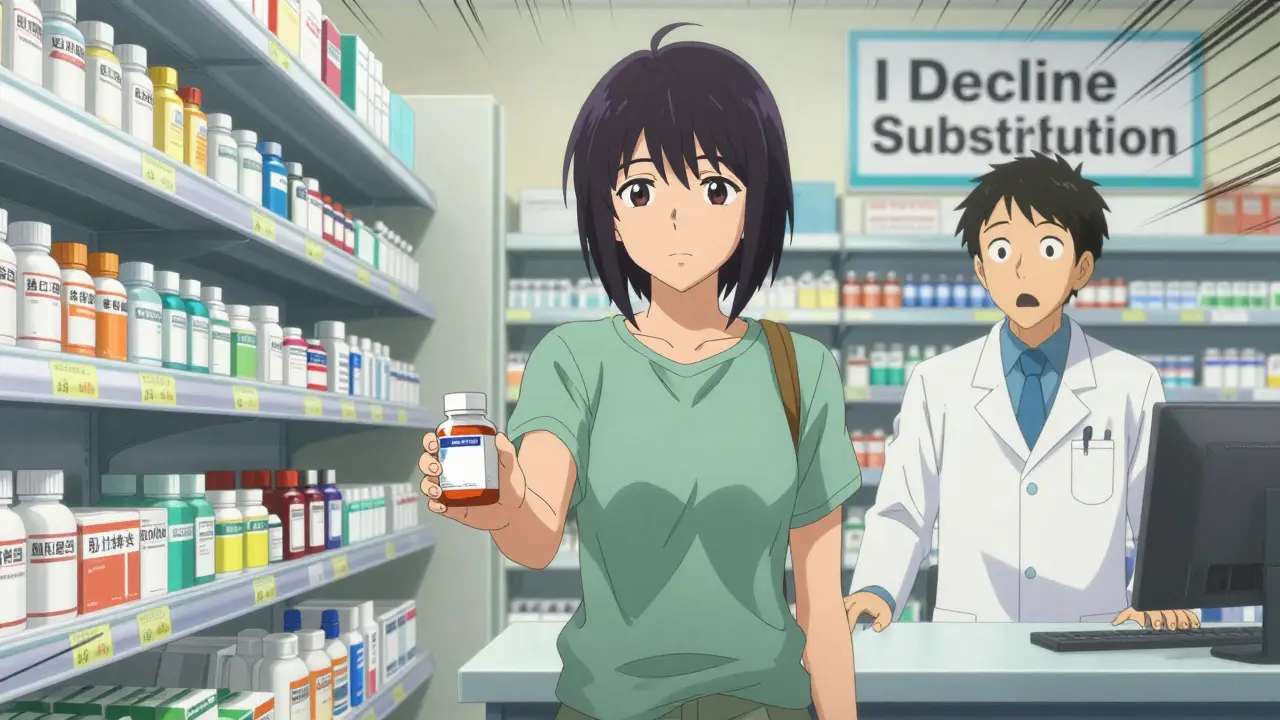
Patient Rights: How to Refuse Generic Substitution and Request Brand-Name Medications
Learn how to legally refuse generic drug substitution and request your brand-name medication. Know your rights, state laws, and what to say at the pharmacy to protect your health.

Inhaled Corticosteroids: How to Prevent Oral Thrush and Hoarseness
Learn how to prevent oral thrush and hoarseness from inhaled corticosteroids using simple, proven steps like rinsing after use and using a spacer. Reduce side effects without stopping your medication.
Insulin Biosimilars: What You Need to Know About Cost, Safety, and Market Options
Insulin biosimilars offer major cost savings and proven safety over brand-name insulins. Learn how they work, which ones are available, and how to switch safely-without risking your blood sugar control.

Carbamazepine Generics: Enzyme Induction and Drug Interactions You Can't Ignore
Carbamazepine generics may look the same, but enzyme induction and narrow therapeutic index make switching brands risky. Learn why blood tests, genetic screening, and staying on the same manufacturer matter for seizure control and safety.